-

UAE doctors urge women in 30s to plan for menopause as study says 94% have sleep issues
-





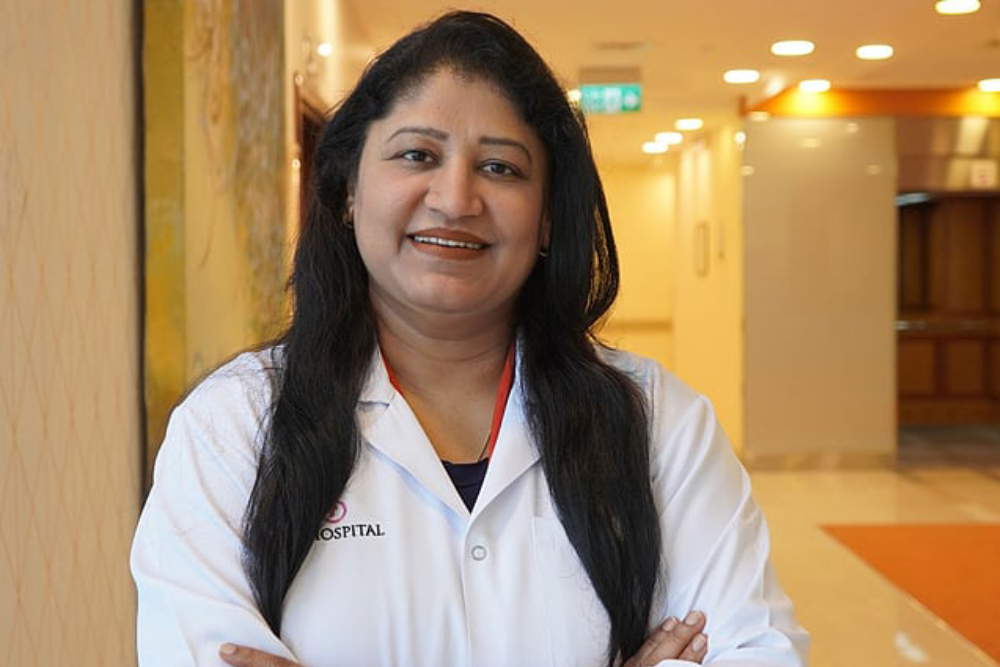
Dr Malgorzata Sinclair, Consultant & Head of Obstetrics & Gynaecology at RAK Hospital, warns that symptoms in a woman’s 30s can signal early ovarian ageing. “Experiencing these symptoms in your 30s can be a warning sign of early ovarian ageing,” she said. “Prompt evaluation by a healthcare provider is essential for managing your long-term health, as early estrogen decline can accelerate bone loss and increase cardiovascular risks.”
Preventive approach
A preventive approach to menopause focuses on maintaining good health throughout life, particularly by prioritising nutrition, physical activity, sleep, mental wellbeing, and social connection.
Dr Malgorzata highlighted the importance of targeted nutritional strategies. “Women in their 40s should prioritise progressive strength training, a high-protein and high-fibre diet such as the Mediterranean diet, and targeted supplementation like calcium, vitamin D, and omega-3s,” she said. “Vitamin K2 is a crucial nutrient during menopause because it regulates calcium in the body, which helps mitigate estrogen-related bone loss and reduces cardiovascular risks.”