-

Heart Attack Warning Signs Women Often Miss: A Cardiologist’s Guide
-
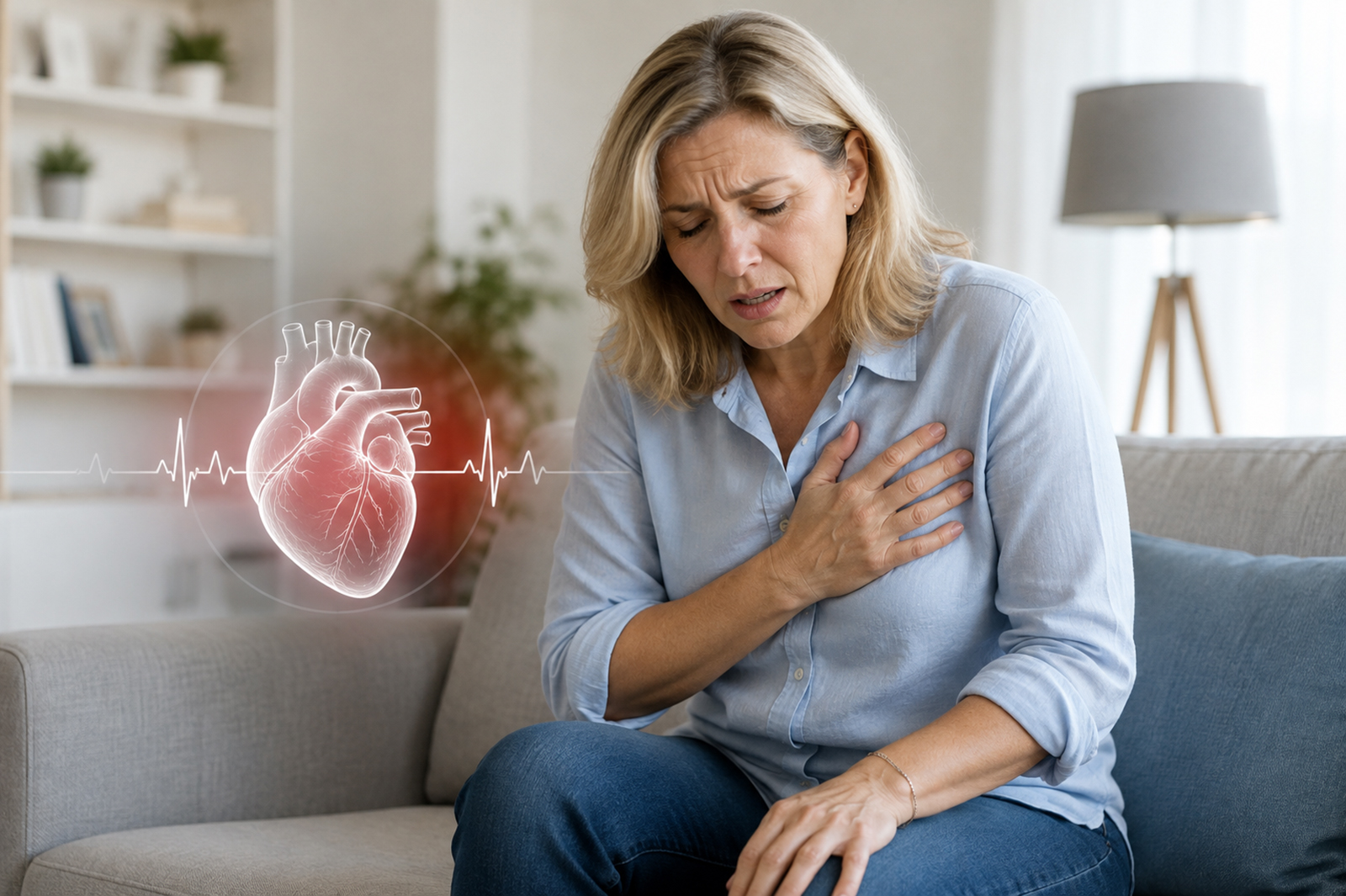




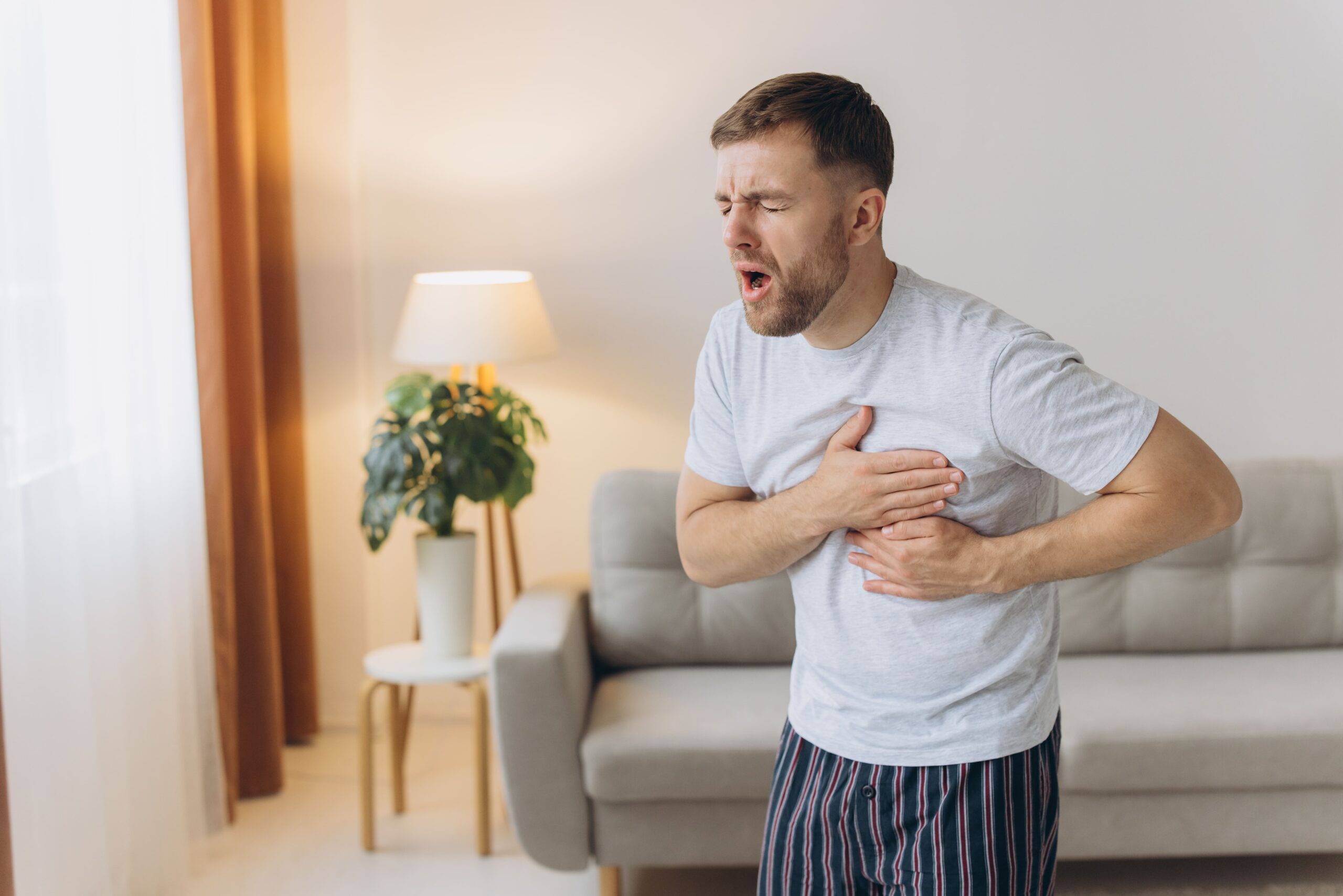
When we picture a heart attack, the mind usually conjures up a familiar, dramatic scene: someone clutching their chest in severe pain and collapsing to the floor. While this classic “Hollywood heart attack” occurs frequently in men, it often looks completely different for women.
Cardiovascular disease is a leading health concern for women globally and within the region. Despite this, a significant number of women delay seeking emergency care because their symptoms are subtle, atypical, and easily mistaken for minor ailments like indigestion, muscle strain, or everyday fatigue.
According to Dr. Ahmed Sharafeldin, Cardiologist at RAK Hospital, recognizing that women’s bodies experience cardiac distress differently is a crucial step toward reducing treatment delays and saving lives.
The Physiology of the “Atypical” Heart Attack
The primary reason heart attacks are frequently missed in women lies in the anatomical and vascular differences between genders.
Microvascular Disease vs. Major Blockages
Men are statistically more likely to experience a sudden rupture of a massive cholesterol plaque in a single major coronary artery, cutting off blood flow instantly and causing acute, central chest crushing.
Women, conversely, frequently develop Coronary Microvascular Dysfunction (CMD). This involves diffuse plaque buildup, narrowing, or spasms within the walls of the microscopic blood vessels branching off the main arteries.
The Gradual Lack of Oxygen
Because microvascular disease restricts blood flow more gradually and across a broader, more distributed area of the heart muscle, the nervous system sends out different signals. Instead of intense, localized chest pain, the body communicates distress through a systemic web of vague discomfort.
Clinical Reality: “Women often wait hours—sometimes days—longer than men to go to the emergency room,” warns Dr. Ahmed Sharafeldin. “They often assume they are simply experiencing a heavy work week or a bout of acid reflux, missing the critical early window where interventional therapies like angioplasty are most effective.”
Faint Warning Signs Women Often Ignore
To protect your heart health, it is essential to look past the chest and monitor your body for this specific cluster of subtle red flags:
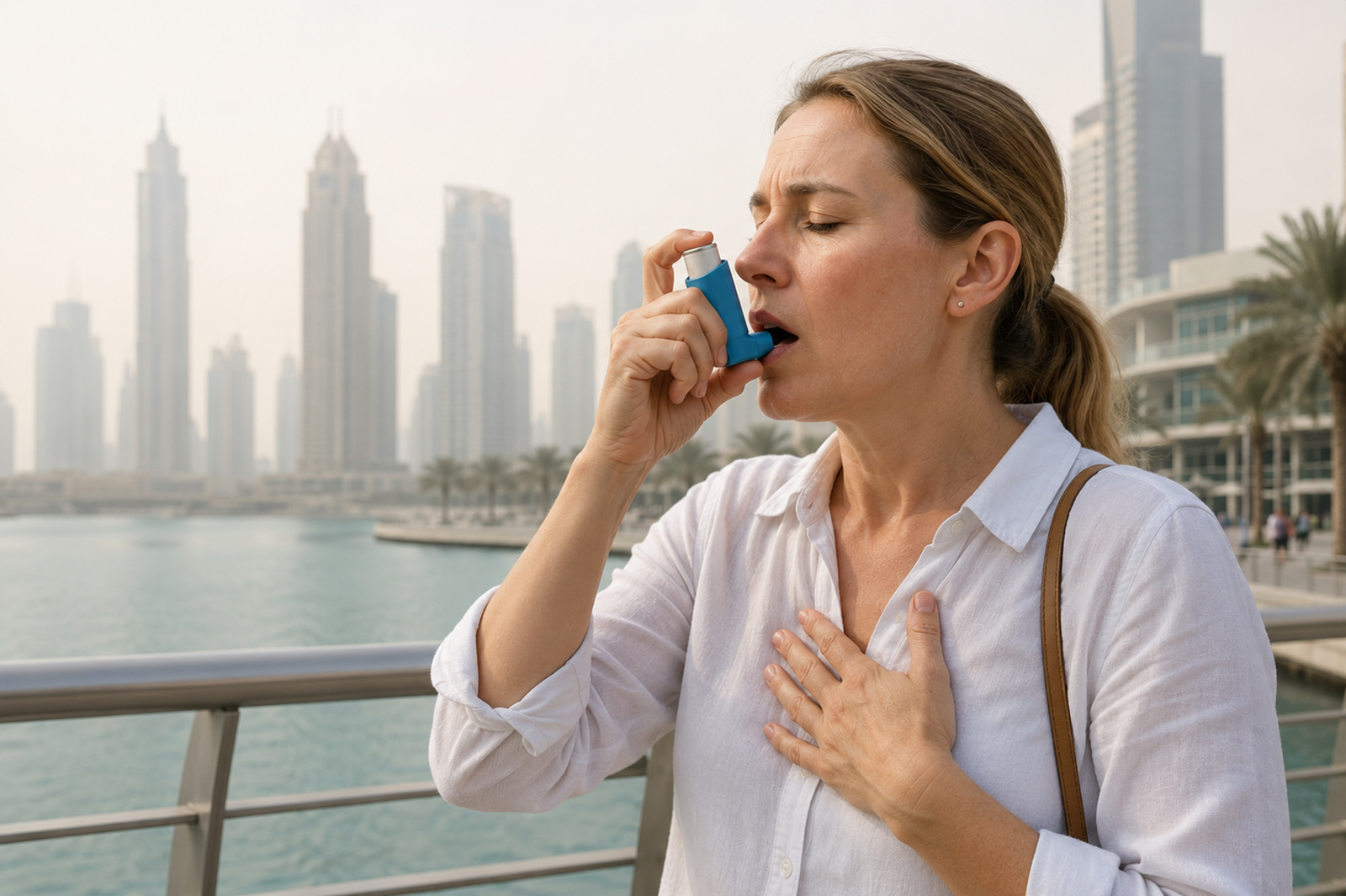
Feeling suddenly winded or struggling to catch your breath while resting or doing minimal household chores is a primary indicator of cardiac strain. If the heart cannot pump blood efficiently, fluid can back up into the lungs, making breathing unusually labor-intensive.
Cardiac pain pathways frequently intersect with the nerves supplying the upper body. Women often experience a dull, radiating ache or a sensation of tightness that travels up into the lower jaw, across the back between the shoulder blades, or down either arm (not just the left).
Experiencing a crushing wave of fatigue—the kind that makes you feel entirely depleted after an ordinary walk or routine activity—can signal that the heart muscle is struggling to distribute enough oxygenated blood throughout your system.
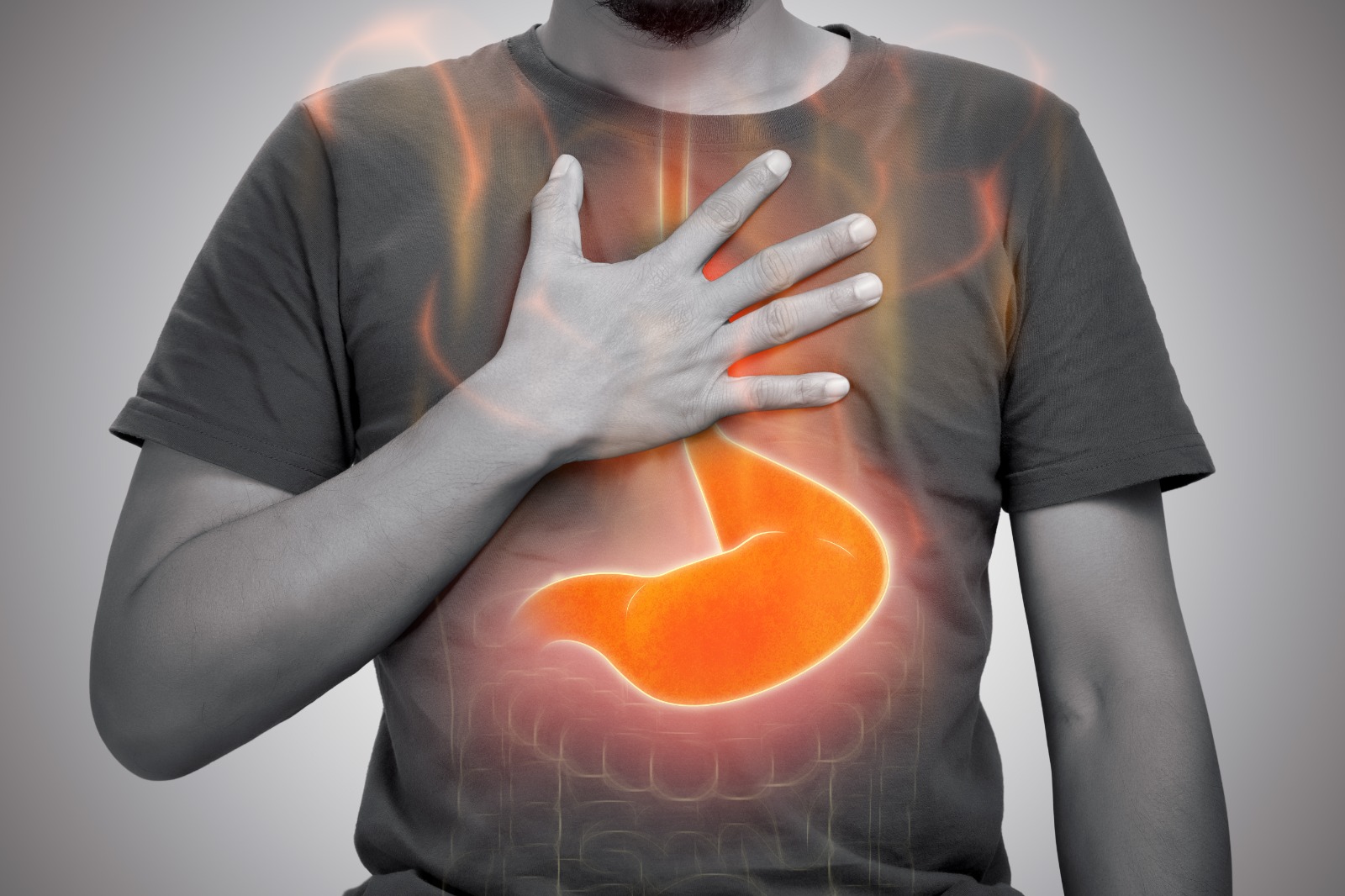
A heart attack can mimic the sensations of a severe digestive issue. The heart sits directly above the diaphragm, and an ischemic event in the lower wall of the heart can easily stimulate the vagus nerve, causing sudden nausea, cold sweats, or a burning sensation in the upper stomach.
[Microvascular Restriction] ➔ [Vagus Nerve Stimulation] ➔ [Nausea, Cold Sweats, Indigestion Symptoms] ➔ [Misdiagnosed as Acid Reflux]
Navigating Risks and Building Your Response Plan
Understanding your personal risk profile and establishing a clear, immediate action plan is the definitive way to safeguard your cardiovascular health.
Key Risk Modifiers for Women
While standard risk factors like smoking and high cholesterol affect everyone, certain conditions elevate cardiac risks specifically for women:
The Emergency Evaluation Protocol
| Priority Metric | What Happens in the Cath Lab / ER | Expected Diagnostic Benefit |
| High-Sensitivity Troponin Test | A rapid blood draw checking for specific cardiac proteins. | Detects even microscopic levels of heart muscle damage within minutes of an event. |
| 12-Lead Electrocardiogram (ECG) | Non-invasive tracking of electrical pathways. | Identifies active ischemia or heart rhythm irregularities in real time. |
| Echocardiogram | An advanced ultrasound of the beating heart. | Assesses how well the heart chambers are contracting and checks overall valve function. |
“At RAK Hospital, our Cardiac Sciences Department is fully optimized with a 24/7 Catheterization Lab and emergency response team to provide immediate care. We encourage women to listen to their intuition. If a physical sensation feels unusual, persistent, or wrong, do not hesitate to seek immediate medical screening. It is always better to evaluate a false alarm than to ignore a silent threat.”
Frequently Asked Questions (FAQs)
Q1: Can a woman have a heart attack without experiencing any chest pain at all?
A: Yes. While chest pressure is still common, up to 40% of women experience heart attacks completely without central chest pain. Instead, their primary symptoms consist of shortness of breath, sudden profound weakness, nausea, or a deep ache in their jaw and upper back.
Q2: Why is a heart attack often misdiagnosed as panic or anxiety in women?
A: Because symptoms like a racing heartbeat, shortness of breath, cold sweats, and overwhelming fatigue closely mimic the physical sensations of an acute anxiety attack or panic episode. If the patient or medical team focuses entirely on stress factors without running standard cardiac tests, the underlying heart event can easily be missed.
Q3: How do lifestyle factors in the UAE impact a woman’s cardiovascular risk?
A: A combination of high daily stress, sedentary indoor lifestyles during the peak summer months, and diets high in processed sodium or sugars can drive up metabolic risks. Managing secondary indicators like hypertension, vitamin D deficiencies, and high blood sugar levels is vital to keeping blood vessels supple and clear.
Q4: When should I see a cardiologist like Dr. Ahmed Sharafeldin for a preventive screening?
A: You should schedule an in-depth cardiac evaluation if you have a family history of early heart disease, are navigating post-menopause, experienced high blood pressure during a pregnancy, or have noted a gradual decline in your physical stamina. A comprehensive diagnostic assessment at RAK Hospital can map your vascular health long before symptoms ever appear.