-

COPD: The Underdiagnosed Lung Condition That Millions Are Living With Unknowingly
-
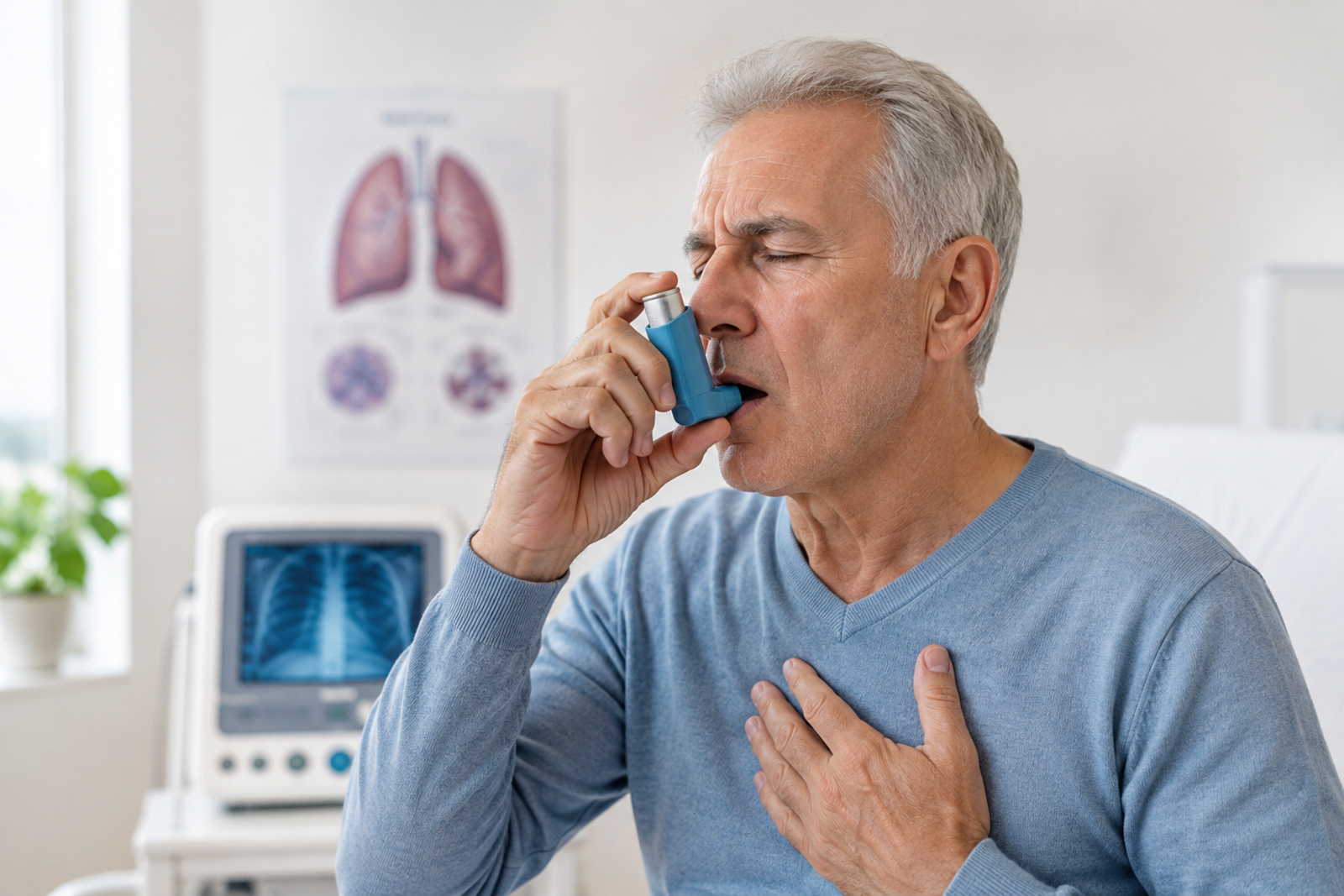




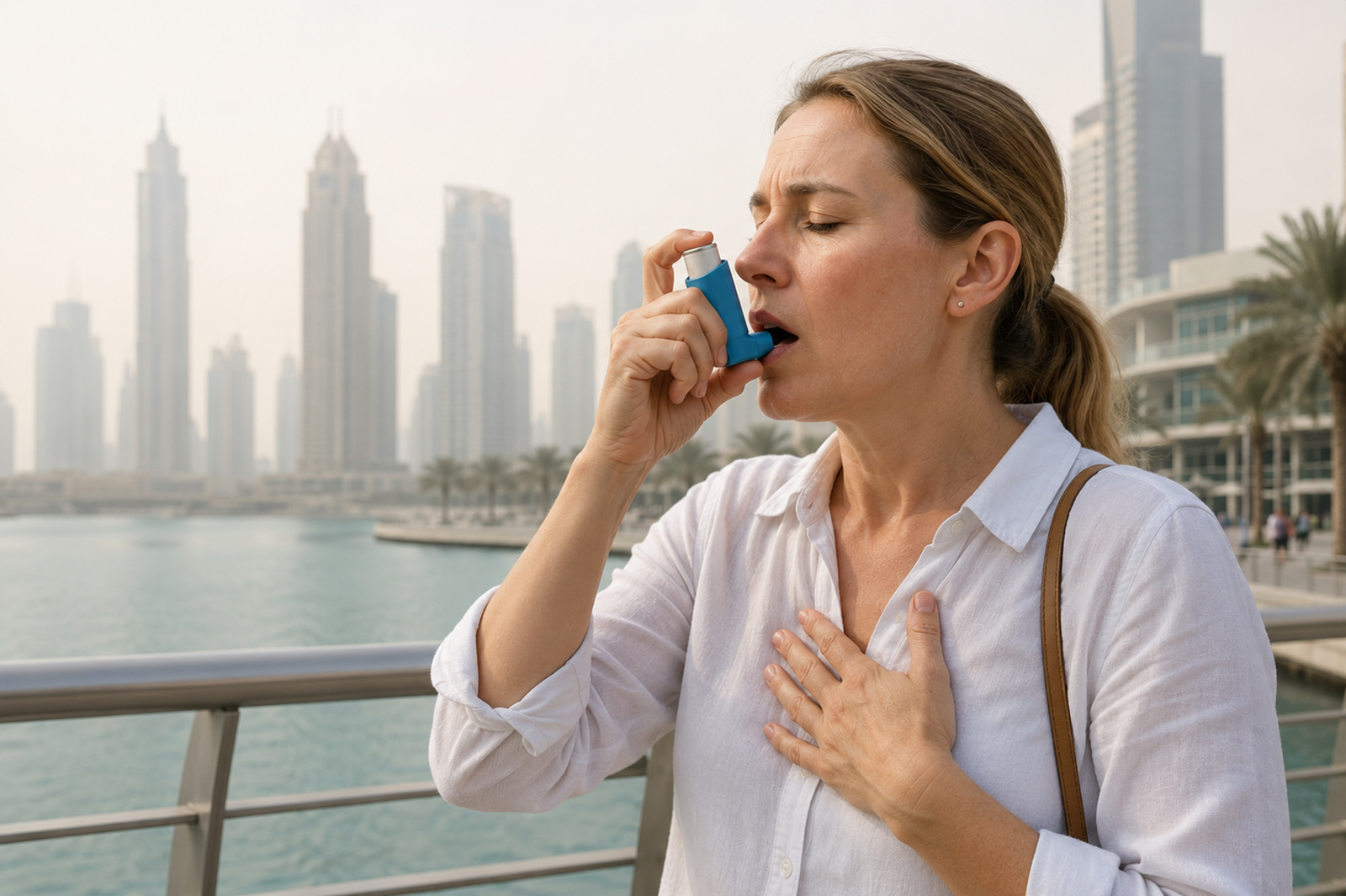
When we think of chronic respiratory conditions, asthma often dominates the conversation. However, there is a far more insidious, progressive condition quietly affecting millions worldwide: Chronic Obstructive Pulmonary Disease (COPD).
“Because COPD develops gradually over decades, millions of individuals accommodate their declining lung function without realizing it,” states Dr. Prabhu Prasad N.C., Specialist Pulmonologist at RAK Hospital. “A staggering number of individuals remain completely undiagnosed, mistaking their early symptoms for a simple sign of getting older or a lingering smoker’s cough.”
The Invisible Progression – What is COPD?
COPD is not a single disease, but an umbrella term used to describe progressive lung diseases characterized by severe, long-term airflow limitation. The two most common conditions that comprise COPD are Chronic Bronchitis and Emphysema.
The Anatomy of Airflow Obstruction
In healthy lungs, airways are elastic and clear. Tiny air sacs (alveoli) inflate and deflate with every breath to facilitate oxygen exchange. In a patient developing COPD, this system breaks down:
The lungs have a massive built-in reserve capacity. Because the damage happens gradually over decades, the brain and body adapt to declining lung function. People automatically adjust their lifestyles—taking the elevator instead of the stairs or walking slower—without realizing their respiratory health is deteriorating.
Recognizing the Red Flags and Tracking Triggers
The primary reason COPD remains chronically underdiagnosed is that its early warning signs mimic minor, common ailments. Recognizing these symptoms early can alter the trajectory of the disease.
Core Symptoms to Watch For
Primary Causes and Regional Risks
While tobacco smoking is the leading global cause of COPD, non-smokers are also heavily at risk due to environmental factors:
[Tobacco/Shisha Smoke] + [Long-term Industrial Dust] ➔ [Chronic Airway Inflammation] ➔ [Irreversible Lung Damage (COPD)] + [Second-hand Smoke Exposure]
In industrialized and rapidly developing regions like the UAE, long-term exposure to occupational dust, chemical fumes, and heavy second-hand smoke (including shisha) can severely accelerate lung degradation.
The Path to Diagnosis and Comprehensive Management
COPD is irreversible, but it is highly treatable. Early diagnosis stops the rapid decline of lung function, preserves physical independence, and dramatically improves quality of life.
The Gold Standard: Spirometry and PFTs
At RAK Hospital, specialist pulmonologists use advanced diagnostic suites to catch COPD long before it severely impacts daily life.
Strategic Management Matrix
| Intervention Type | Treatment/Action Plan | Expected Clinical Outcome |
| Pharmacotherapy | Bronchodilators & inhaled corticosteroids. | Relaxes airway muscles and controls chronic inflammation to prevent sudden flare-ups (exacerbations). |
| Pulmonary Rehab | Structured exercise training, nutritional counseling, and breathing strategies. | Rebuilds physical endurance, optimizes energy usage, and reduces breathlessness. |
| Oxygen Therapy | Supplemental oxygen support. | Ensures vital organs receive adequate oxygenation, reducing strain on the heart. |
| Lifestyle Modification | Immediate smoking/shisha cessation and avoiding polluted indoor environments. | Halts the accelerated structural degradation of lung tissues. |
“At RAK Hospital, our mission is to translate clinical expertise into proactive community health management, addressing the unique environmental factors of the UAE to ensure a healthier future for all residents. If you or a loved one experiences a lingering cough or unexplained breathlessness, early screening is the definitive step toward reclaiming your respiratory health.
Frequently Asked Questions (FAQs)
Q1: Is COPD the same thing as asthma?
A: No, they are distinct conditions. While both involve airway inflammation and breathing difficulties, asthma is usually characterized by temporary, reversible airway spasms triggered by allergens. COPD involves permanent, progressive structural damage to the lung tissues and air sacs that does not fully reverse, typically developing later in life due to chronic exposure to irritants.
Q2: Can a person get COPD if they have never smoked?
A: Yes. While tobacco smoking is the primary cause, approximately 10% to 20% of COPD patients have never smoked. Non-smokers can develop the disease through prolonged exposure to second-hand smoke, environmental air pollutants, occupational dust, or chemical fumes in the workplace.
Q3: What happens during a Spirometry test at RAK Hospital?
A: Spirometry is a quick, painless, and completely non-invasive breathing test. You will be asked to take a deep breath and blow out as hard and fast as you can into a small device called a spirometer. The device measures the volume and speed of the air you exhale, allowing Dr. Prabhu Prasad N.C. to immediately identify if your airways are obstructed.
Q4: Can lung damage from COPD be reversed?
A: No, the structural damage to the alveoli and bronchial tubes caused by COPD is permanent and cannot be reversed. However, a combination of customized medical therapies, lifestyle changes, and pulmonary rehabilitation can effectively slow down the progression of the disease, alleviate symptoms, and prevent severe respiratory crises.