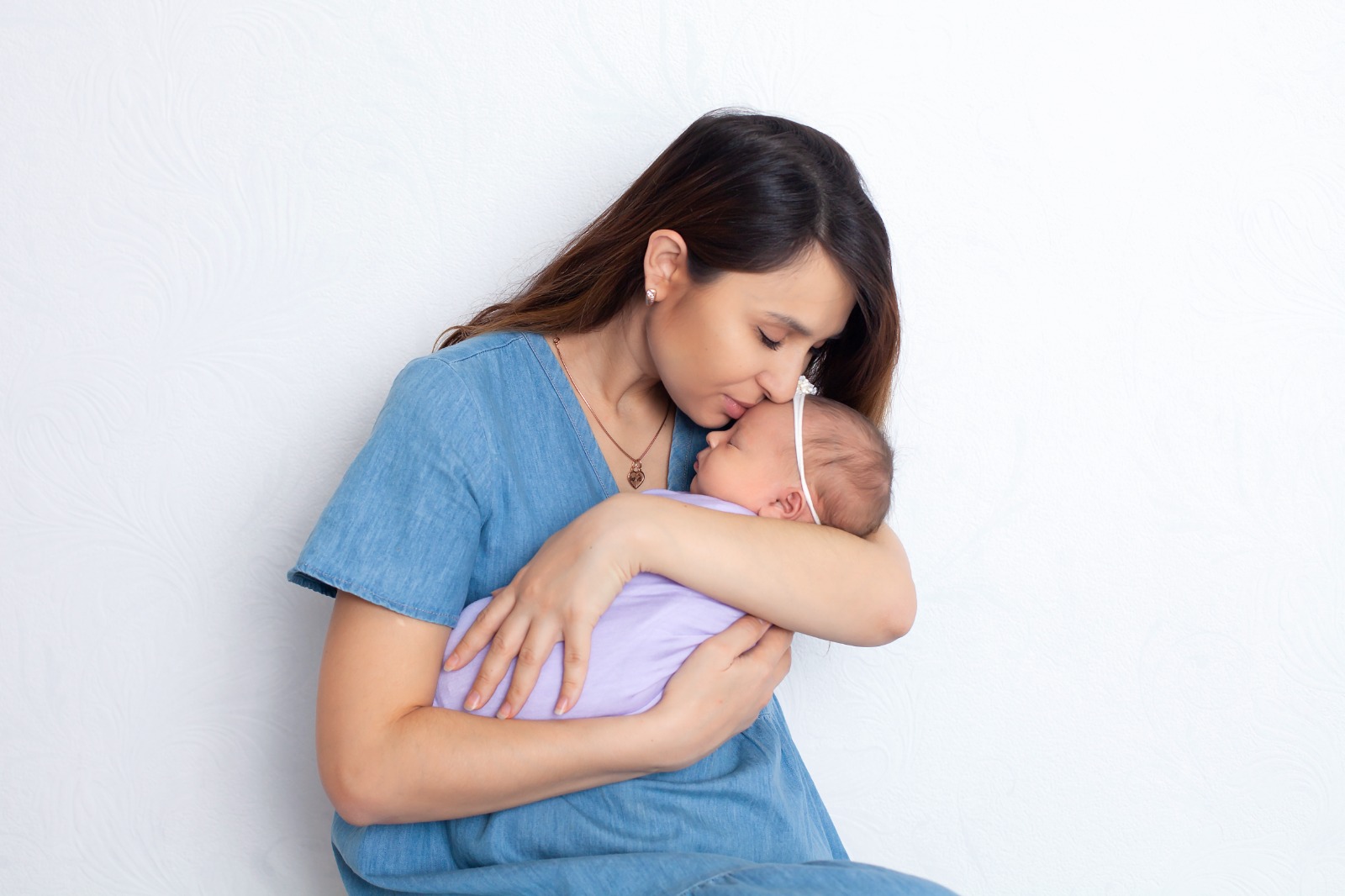
Childbirth is one of the most transformative events in a woman’s life — and recovery deserves the same expert attention as pregnancy.
This guide explains what to expect during the first six weeks after delivery, including:
- Normal physical and emotional changes
- Recovery milestones
- Warning signs that require medical attention
- Postnatal support available at RAK Hospital
This information is adapted from:
Why Postpartum Recovery Matters
The postpartum period — clinically known as the puerperium — covers the first 6 weeks after birth.
During this time:
- Your uterus returns to its pre-pregnancy size
- Hormone levels change rapidly
- Bleeding gradually settles
- Pelvic tissues heal
- Sleep and emotional adjustment affect recovery
- Breastfeeding places additional demands on the body
Early follow-up and structured postnatal care can:
- Reduce complications
- Improve mental wellbeing
- Support breastfeeding success
- Protect pelvic floor health
- Identify issues before they become serious
At RAK Hospital, our multidisciplinary maternity team provides comprehensive postnatal support tailored to each mother’s recovery.
Week 1 — The First 7 Days
Days 1–2
Immediate Post-Delivery Care
During your hospital stay, your healthcare team will monitor:
- Uterine firmness and contraction
- Vaginal bleeding (lochia)
- Blood pressure, pulse, and temperature
- Caesarean or perineal wound healing
- Pain control
- Breastfeeding and latch support
- Mobility and bladder function
What is normal?
- Bright red bleeding
- Cramping (“afterpains”)
- Tiredness and swelling
- Mild perineal discomfort
- Emotional ups and downs
At RAK Hospital
- Private postnatal rooms
- 24/7 obstetric and midwifery support
- Lactation consultation
- Newborn support and guidance
Days 3–7
Returning Home
Common symptoms include:
- Lochia changing from red to pink-brown
- Breast engorgement as milk supply increases
- Fatigue and interrupted sleep
- Perineal soreness or incision discomfort
- Constipation or delayed bowel movements
Recovery Tips
- Rest whenever possible
- Drink plenty of fluids
- Eat fibre-rich foods
- Avoid heavy lifting
- Accept support from family and friends
Seek Immediate Medical Attention If You Have:
- Heavy bleeding (soaking >1 pad/hour)
- Fever above 38°C
- Severe abdominal pain
- Chest pain or shortness of breath
- Severe headache or visual changes
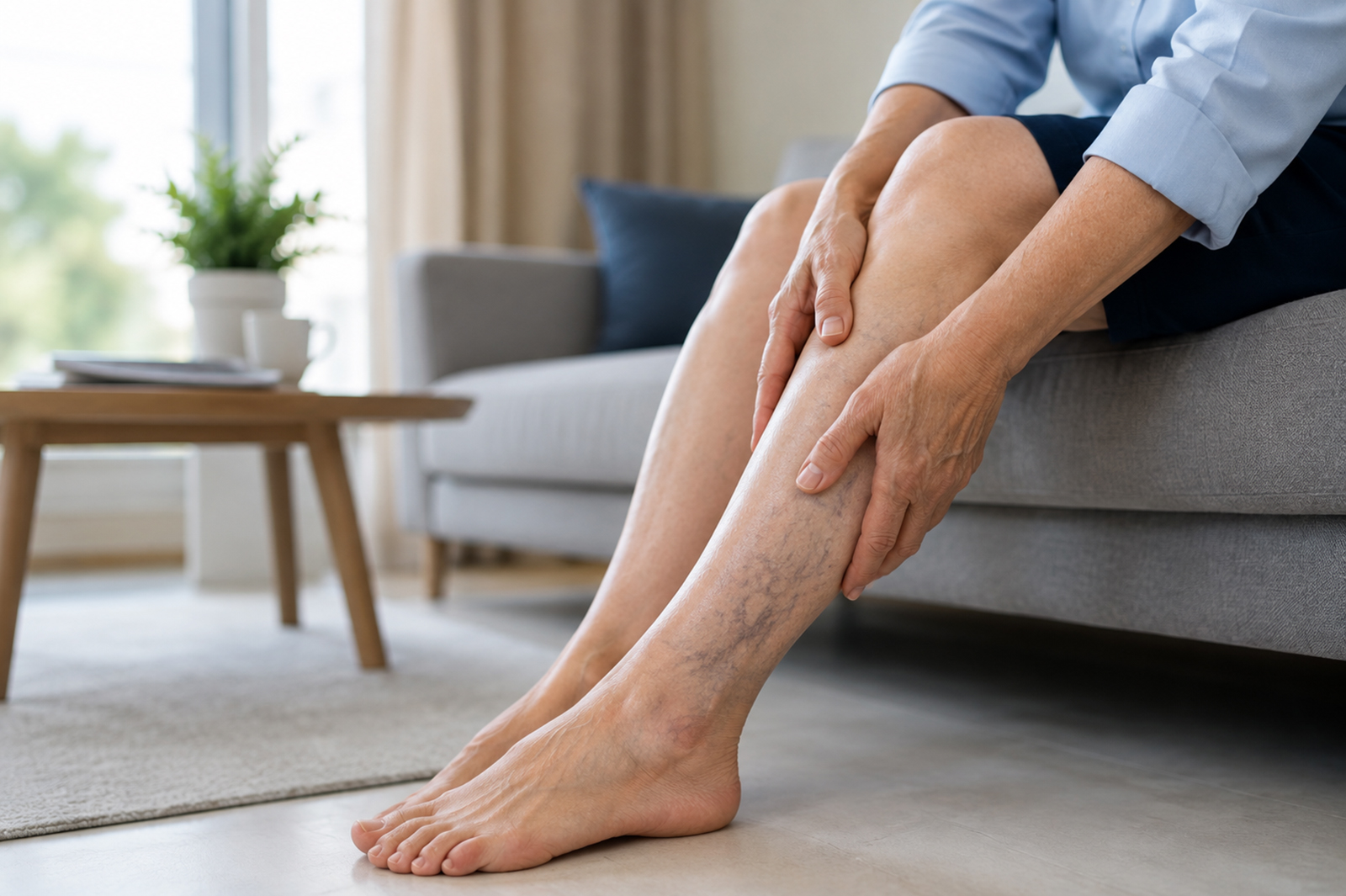
- Leg swelling or calf pain
- Wound redness, swelling, or discharge
- Thoughts of self-harm
These symptoms may indicate:
- Postpartum haemorrhage
- Infection
- Blood clot (thrombosis)
- Postpartum pre-eclampsia
Contact:
- Your obstetrician
- RAK Hospital emergency services
- UAE emergency services (998 or 999)
Weeks 2–3 — Early Healing
Week 2
Hormonal and Tissue Recovery
You may notice:
- Lochia becoming lighter or yellow-white
- Night sweats
- Hair shedding
- Mood fluctuations
- Improved breastfeeding regulation
Stitches
Perineal stitches are often dissolving by this stage.
Contact your doctor if you develop:
- Increasing pain
- Bad-smelling discharge
- Fever
- Wound opening
Week 3
Gradual Return to Activity
Usually appropriate:
- Short walks
- Gentle movement
- Pelvic floor exercises (if comfortable)
Still avoid:
- Heavy lifting
- Intense exercise
- High-impact activity
Driving
- Vaginal birth: often possible if comfortable
- Caesarean section: usually after 5–6 weeks and medical clearance
Sexual Activity
Most women are advised to wait until after their 6-week review.
RAK Hospital Postnatal Support
The Royal Maternity Programme at
RAK Hospital includes:
- Lactation consultants
- Women’s health physiotherapy
- Individualised nutritional guidance
- Obstetric follow-up
- Mental health support
- Paediatric newborn review
For appointments:
📞 +971 7 207 4444
🌐 RAK Hospital Official Website
Weeks 4–5 — Returning to Normal
Physical Recovery
Many women notice:
- Reduced bleeding
- Improved energy
- Healing scars
- Better mobility
- More stable breastfeeding supply
Pelvic Floor Recovery
Pelvic floor exercises become increasingly important to support:
- Bladder control
- Core stability
- Long-term pelvic health
Medical Follow-Up
Additional checks may include:
- Thyroid function (if history of thyroid disease)
- Diabetes follow-up after gestational diabetes
- Blood pressure monitoring
Week 6 — Your Postnatal Check
The 6-week review is a major recovery milestone.
At RAK Hospital, your appointment may include:
Physical Assessment
- Uterine involution
- Wound healing
- Breast examination
- Blood pressure check
Emotional Wellbeing
Screening for:
- Postpartum depression
- Anxiety
- Adjustment difficulties
Pelvic Floor Review
Referral to physiotherapy if needed.
Contraception Counselling
Options tailored to:
- Breastfeeding
- Medical history
- Family planning goals
Exercise Clearance
Personalised advice on:
- Returning to exercise
- Core strengthening
- Pelvic rehabilitation
Caesarean Section Recovery
A C-section is major abdominal surgery, and recovery may take longer.
Typical Recovery Timeline
Week 1
- Rest and wound care
- Avoid stairs if possible
- Support abdomen when coughing
Weeks 2–3
- Gentle walking
- No driving
- Wound review appointment
Weeks 4–5
- Scar healing progresses
- Mild itching is common
Week 6+
- Gradual return to activity
- Scar massage guidance
- Pelvic floor physiotherapy
Full internal healing can take 6–8 weeks, with scar maturation continuing for several months.
Mental Health & Emotional Wellbeing
Postpartum mental health is an essential part of recovery.
Baby Blues
Common during days 2–5:
- Tearfulness
- Mood swings
- Feeling overwhelmed
Usually improves within 2 weeks.
Postpartum Depression (PPD)
Seek support if symptoms persist beyond 2 weeks:
- Persistent sadness
- Anxiety
- Hopelessness
- Difficulty bonding with your baby
- Loss of enjoyment
- Sleep difficulties unrelated to baby care
Postpartum Anxiety
Symptoms may include:
- Racing thoughts
- Constant worry
- Panic symptoms
- Difficulty relaxing
Postpartum Psychosis — Emergency
Rare but serious symptoms:
- Hallucinations
- Delusions
- Confusion
- Severe agitation
Requires urgent emergency medical care.
Frequently Asked Questions
How long does postpartum recovery take?
Most women feel substantially improved by 6 weeks, but full recovery may take 3–6 months, especially after Caesarean birth.
When can I exercise?
Light walking can begin early if comfortable. Structured exercise should wait until after medical review and physiotherapy guidance.
Does RAK Hospital offer postnatal follow-up?
Yes. Contact the Women’s Health team for:
- Outpatient appointments
- Lactation support
- Physiotherapy
- Postnatal reviews
📞 +971 7 207 4444
What insurance plans are accepted?
RAK Hospital works with major UAE insurers and also offers self-pay maternity packages.
Please confirm network coverage before your appointment.
Is RAK Hospital internationally accredited?
Yes.
RAK Hospital is JCI accredited and staffed by internationally trained specialists.
Contact Information
Women’s Health & Maternity Services
RAK Hospital
📞 +971 7 207 4444
🌐 RAK Hospital Official Website
Emergency Numbers in the UAE
- Ambulance: 998
- Police/Emergency: 999