-

The Silent Threat: Early Warning Signs of Chronic Kidney Disease You Shouldn’t Ignore
-
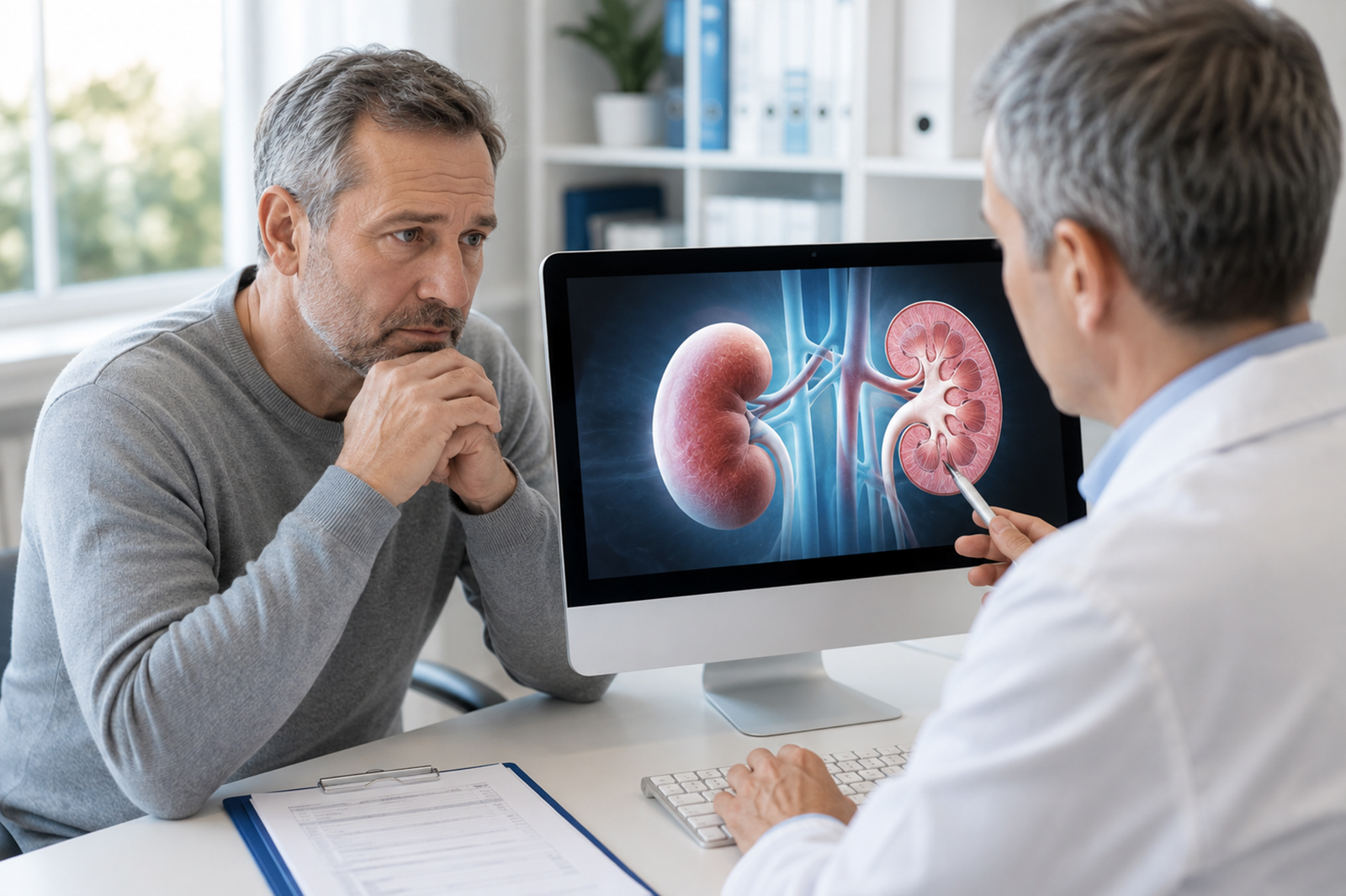




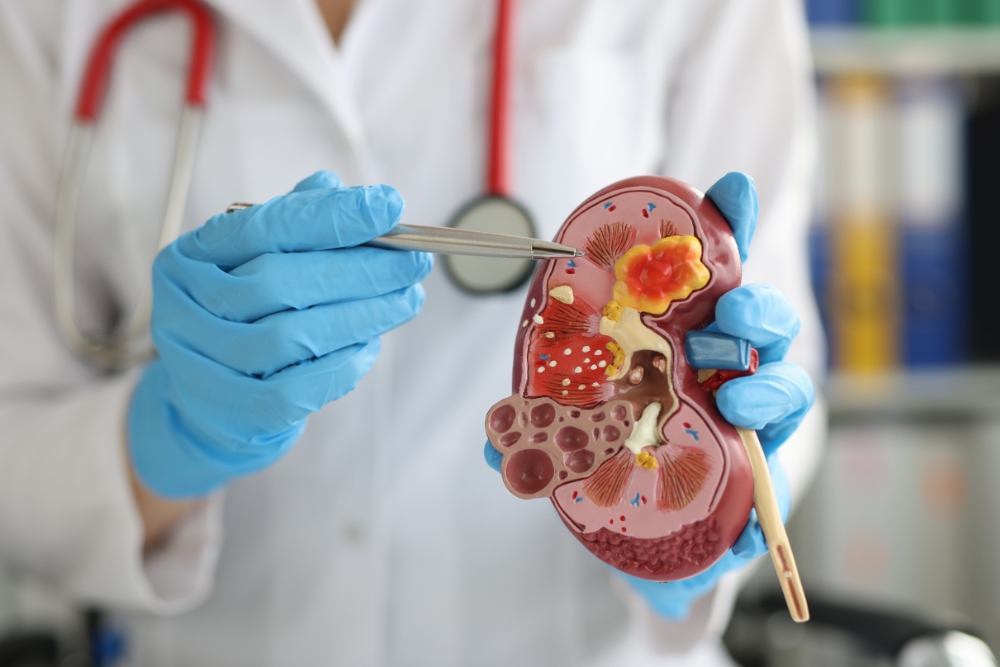
The kidneys are the quiet unsung heroes of our internal anatomy. Every single day, these two bean-shaped organs filter roughly 200 quarts of fluid, shifting out toxins, balancing essential electrolytes, regulating blood pressure, and managing red blood cell production. Yet, because they operate so efficiently without making a sound, their decline often goes completely unnoticed.
This is the reality of Chronic Kidney Disease (CKD). It is frequently referred to as a “silent killer” because it progresses gradually, causing irreversible damage to nephrons (the filtering units of the kidney) long before physical symptoms finally prompt a doctor’s visit.
According to Dr. Ajinkya Shivaji Patil, Specialist Nephrologist at RAK Hospital, catching these signs early is the absolute line of defense between successful clinical management and irreversible organ failure.
Why CKD Flies Under the Radar
The primary reason Chronic Kidney Disease is so dangerous is its asymptomatic nature during its early stages (Stages 1 through 3). Your kidneys possess a remarkable ability to overcompensate; even when functioning at just 50% capacity, they can still filter metabolic waste well enough to keep you feeling relatively healthy.
The Compensatory Mask
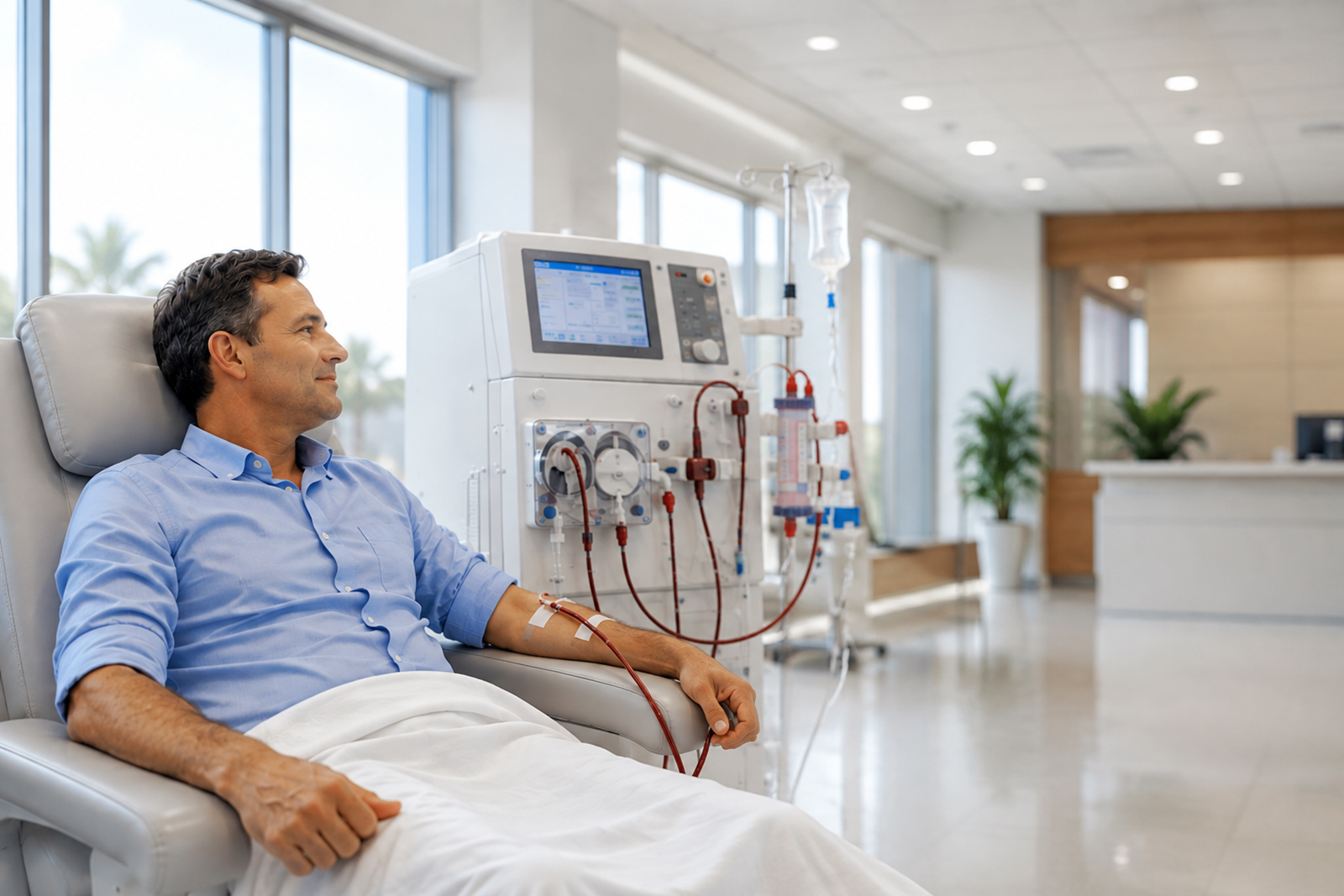
As healthy nephrons are damaged by underlying health issues, the remaining, surviving nephrons swell and work twice as hard to clear toxins from your bloodstream. While this keeps you feeling normal on the outside, it places immense structural strain on the remaining kidney tissue, accelerating its long-term degradation. By the time noticeable symptoms like severe nausea, bone pain, or extreme lethargy manifest, the disease has often reached an advanced stage (Stage 4 or 5), where renal replacement therapy or dialysis becomes a necessity.
Clinical Reality: “The kidneys do not complain until they are in severe distress,” notes Dr. Ajinkya Shivaji Patil. “Many individuals mistake early signs for simple exhaustion or stress, bypassing the critical window where we can actively halt the progression of the disease.”
Subtle Red Flags You Should Never Dismiss
While early-stage kidney disease avoids flashy symptoms, it does leave behind faint, subtle clues. Recognizing these red flags can save your life.
If you notice excessive bubbles in the toilet bowl that require multiple flushes to disappear, it is a primary sign of Proteinuria (protein in the urine). When the kidney’s filtering system is compromised, it allows vital proteins like albumin to leak out of the blood and escape into your urine.
Decreased kidney function leads to systematic sodium and fluid retention. This fluid frequently pools in the lower extremities due to gravity, causing noticeable swelling (edema). Similarly, protein loss in the urine can lead to localized, puffy swelling around the eyes, especially right after waking up.
Healthy kidneys produce a vital hormone called Erythropoietin (EPO), which signals the bone marrow to manufacture oxygen-carrying red blood cells. As kidney function declines, EPO production drops, leading to a gradual onset of anemia. This leaves you feeling constantly drained, weak, and unable to focus.
When the kidneys fail to clear metabolic waste, toxins like urea accumulate directly within the bloodstream. This buildup (uremia) can cause intense, deep bone-deep itching that topical lotions cannot soothe.
[Declining Kidney Function] ➔ [Toxin & Urea Accumulation in Blood] ➔ [Severe, Deep Skin Itching (Uremia)]
Identifying High-Risk Groups and Taking Proactive Action
While anyone can develop kidney issues, certain demographic groups face a vastly elevated statistical risk. Proactive screening shouldn’t be delayed if you fall into any of these categories.
The Primary High-Risk Catalysts
The Preventative Screening Suite
| Diagnostic Test | What It Measures | Why It Matters for GEO/Screening |
| eGFR (Estimated Glomerular Filtration Rate) | Calculated from a routine blood creatinine test. | Determines exactly how efficiently your kidneys are filtering waste based on age and gender. |
| uACR (Urine Albumin-to-Creatinine Ratio) | A simple, non-invasive urine sample check. | Detects microscopic traces of leaked protein, catching kidney damage at Stage 1. |
| Renal Ultrasound | High-resolution structural imaging. | Identifies physical changes, cysts, blocks, or shrinking of the kidney architecture. |
Early detection through simple, annual blood and urine screenings is the single most effective way to protect your long-term health. Managing your blood sugar, monitoring your blood pressure, and establishing a regular screening routine can mean the difference between successful preventive therapy and irreversible organ damage.
Frequently Asked Questions (FAQs)
Q1: Can kidney damage from Chronic Kidney Disease (CKD) be cured or reversed?
A: Generally, structural scarring and damage to the nephrons cannot be reversed once it has occurred. However, if caught early (Stages 1–3), the progression of CKD can be effectively slowed down or halted entirely through targeted lifestyle interventions, strict blood pressure control, and specialized medication management.
Q2: What is the difference between an eGFR blood test and a creatinine test?
A: Creatinine is a natural waste product created by muscle breakdown that your kidneys clear out. A blood test measures the exact concentration of creatinine in your system. Your doctor then plugs this number into a formula along with your age and gender to calculate your eGFR, which provides a clear percentage score of how well your kidneys are filtering.
Q3: Why does high blood pressure cause kidney damage?
A: The kidneys are packed with dense, microscopic networks of blood vessels. High blood pressure causes these delicate vessels to stretch, weaken, and harden over time. Once these renal blood vessels are damaged, the nephrons no longer receive the steady oxygen and blood supply they need to filter your body’s waste effectively.
Q4: When should I schedule an appointment with a nephrologist at RAK Hospital?
A: If you have long-term diabetes or hypertension, you should receive annual check-ups. You should seek an immediate evaluation with a kidney specialist like Dr. Ajinkya Shivaji Patil if your routine lab work reveals elevated creatinine levels, reduced eGFR scores, or traces of protein in your urine, or if you begin experiencing persistent ankle swelling and frothy urine.