-

The Golden Hour: How RAK Hospital’s Emergency Cardiac Team Saves Lives
-
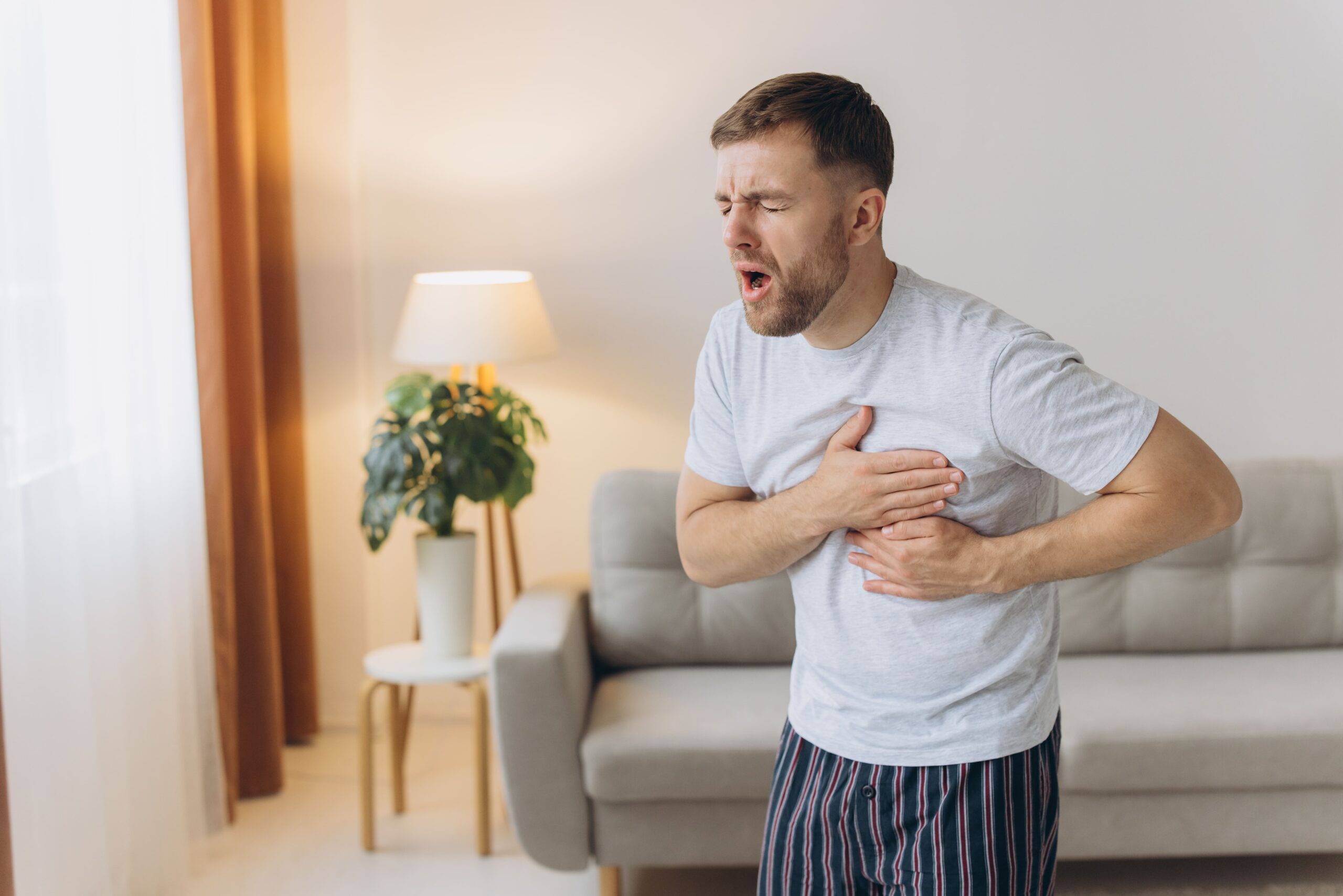



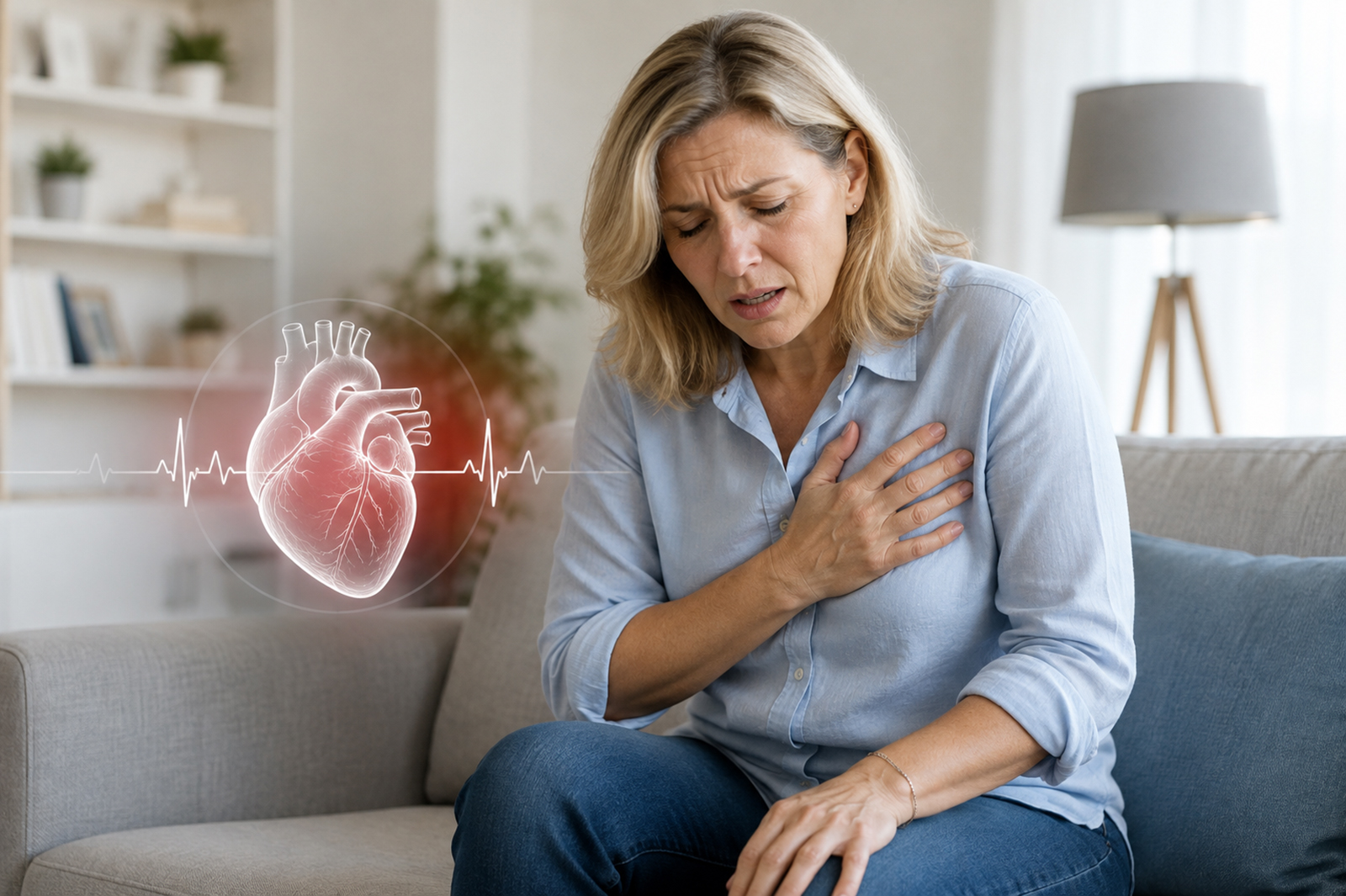
It starts as a heaviness in the chest. Maybe a little breathlessness you blame on the humidity, or a nagging pain in your left arm you think is just a muscle strain. But within minutes, these subtle signs can escalate into a life-threatening emergency. In that moment, the clock starts ticking.
Hi, I’m Dr. Ahmad Alabrass, Consultant, Cardiac Sciences at RAK Hospital.
In cardiology, we have a saying: “Time is Muscle.” Every minute an artery remains blocked during a heart attack, part of the heart muscle dies. The difference between a full recovery and permanent heart damage—or worse—often comes down to how quickly a patient receives care in the first 60 minutes. We call this “The Golden Hour.”
At RAK Hospital, our 24/7 Emergency Cardiac Team is built around this single concept. From the moment you enter our doors (or even while you are in the ambulance), our goal is to race against time to reopen that blocked artery and restore blood flow.
Cardiovascular disease is the leading cause of death globally, and the UAE is no exception. Factors like high stress, sedentary lifestyles, and diabetes prevalence here mean we see heart attacks in increasingly younger patients. Understanding the signs and knowing exactly what to do can save your life.
The “Golden Hour” is the critical 60-minute window from the onset of heart attack symptoms.
Why is this specific hour so important?
We often imagine a heart attack as a sudden, dramatic collapse. In reality, symptoms can be gradual. In the UAE, where we see a diverse population, symptoms can also vary by gender and background.
The Classic Signs:
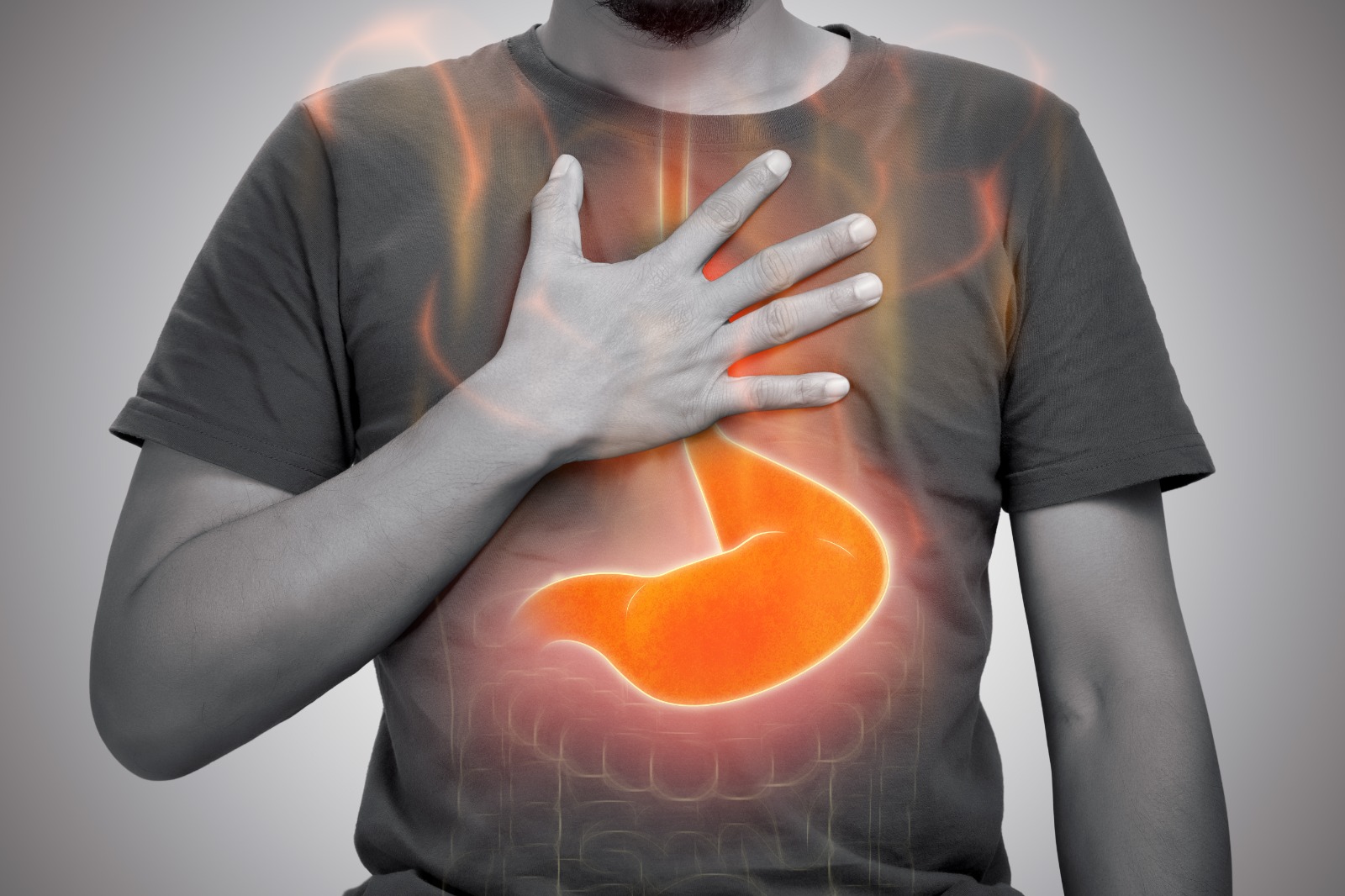
| Feature | Heartburn / Acid Reflux | Heart Attack |
| Type of Pain | Burning sensation | Squeezing, pressure, or tightness |
| Location | Usually upper abdomen/lower chest | Center of chest, radiating to arm/jaw |
| Trigger | After eating spicy/heavy food | Physical exertion or stress (or random) |
| Relief | Antacids or sitting up helps | Nothing helps (rest/meds don’t fix it) |
| Associated Symptoms | Sour taste in mouth | Sweating, shortness of breath, nausea |
If you suspect a heart attack, do not drive yourself. Call 998 immediately.
Here is exactly what happens when a cardiac emergency arrives at RAK Hospital:
As soon as you arrive, an ECG (Electrocardiogram) is done immediately. This test tells us within seconds if you are having a STEMI (the most severe type of heart attack).
If a blockage is confirmed, we bypass the routine admission process. Our Cardiac Catheterization Lab (Cath Lab) team is activated instantly—24 hours a day, 7 days a week.
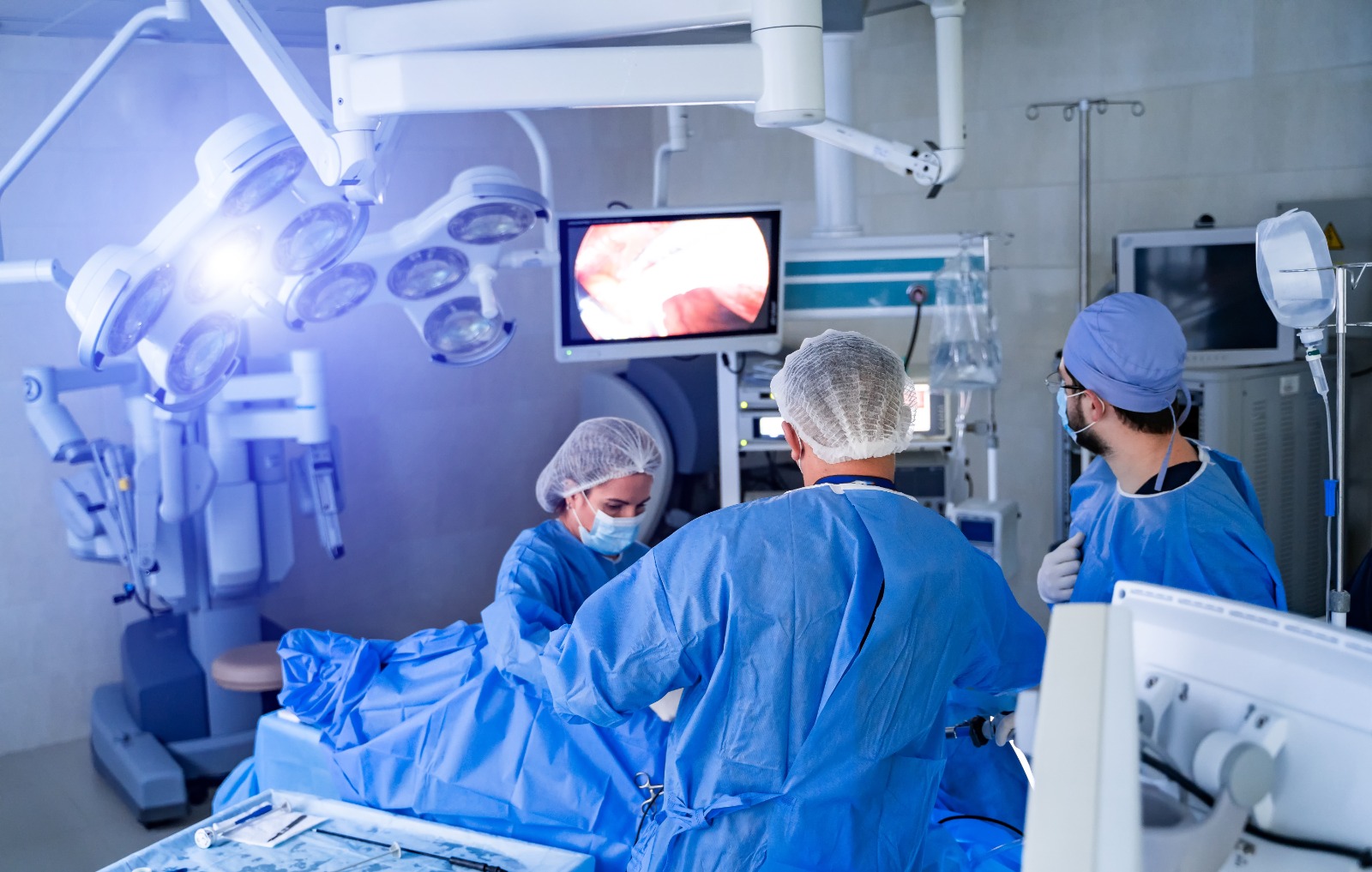
You are wheeled directly into the Cath Lab. This is a specialized operating room with advanced imaging.
The Result: Blood flow is restored instantly. Pain usually vanishes immediately, and the heart muscle stops dying.
Surviving a heart attack isn’t just about speed; it’s about the quality of the team waiting for you.
Survival is step one. Returning to a full life is step two.
At RAK Hospital, we don’t just discharge you with a prescription. We enroll you in our Cardiac Rehabilitation Program.
“Most of our patients return to work and their hobbies within weeks. A heart attack is a warning sign, but with the right care, it doesn’t have to be the end of your active life.”
The best way to survive a heart attack is to prevent it. In the UAE, risk factors are higher than average.
If you or a loved one experiences chest pain, remember: Time is Muscle. Do not wait to see if it passes. Do not worry about “making a fuss.”
The RAK Hospital Emergency Cardiac Team is ready 24/7 to intervene during that critical Golden Hour, using world-class technology to save lives and hearts.
Your heart is in safe hands. For cardiac check-ups or consultations, book an appointment with RAK Hospital’s Center for Cardiac Sciences today.