-

The Complete Guide to Jaw Surgery (Orthognathic): Types, Procedures & Recovery
-
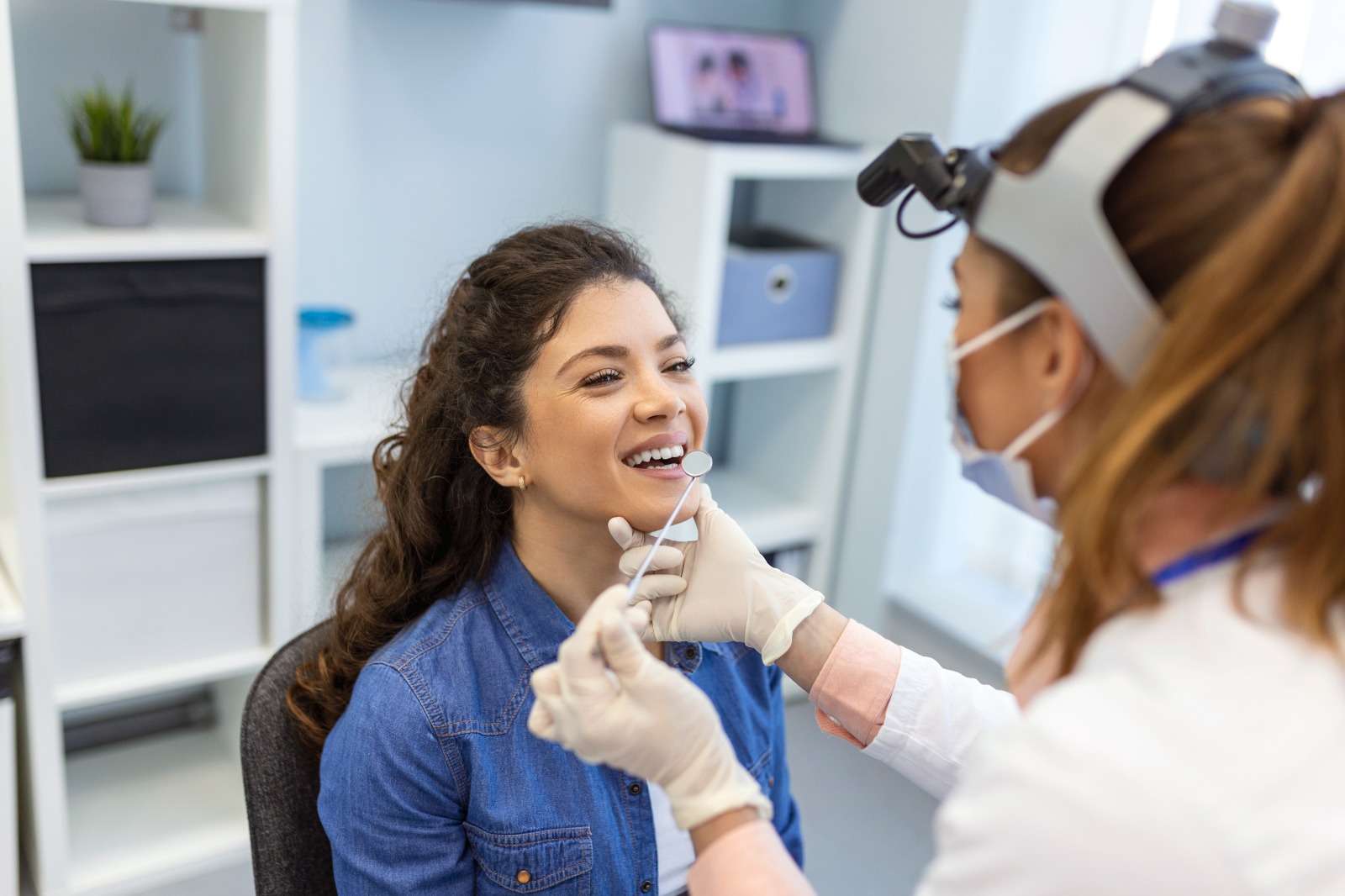




When most people think about jaw issues, they imagine problems with appearance. But the truth is, the jaw plays a vital role in how we eat, speak, breathe, and even sleep. When the upper and lower jaws don’t align properly, it can cause pain, difficulty chewing, speech problems, and sometimes serious health issues. In such cases, jaw surgery (orthognathic surgery) becomes more than just a cosmetic option – it’s a medical necessity.
Hi, I’m Dr. Anurag Singh, Oral & Maxillofacial Surgeon at RAK Hospital. Over the years, I’ve seen how jaw problems affect far more than appearance. Many patients struggle silently for years with chewing discomfort, speech difficulty, or breathing issues before seeking help.
Jaw correction is not about changing how you look — it’s about restoring balance, function, and quality of life when planned and performed at the right time.
The purpose of this article is to give you a clear, step-by-step understanding of what orthognathic surgery is, why it’s needed, how the procedure is performed, what recovery looks like, and how RAK Hospital supports you at every stage of your journey toward better function, health, and confidence.
Jaw surgery is the medical term for corrective jaw surgery. It involves repositioning the bones of the upper or lower jaw — or sometimes both — to ensure proper alignment. Unlike orthodontic treatment, which only moves teeth, surgery corrects the underlying jaw bone structure.
Common Reasons for Jaw Surgery
Each jaw surgery is carefully planned using advanced imaging and digital models to ensure accuracy, safety, and long-term results.
There are different kinds of corrective surgeries depending on the problem:
Each treatment is designed with both function and aesthetics in mind, helping patients achieve a healthier and more natural look.
Many people worry when they hear the word surgery, but the process is structured and safe when done by experienced specialists. Here’s what usually happens:
Healing after corrective jaw procedures requires patience, but the results are worth it. The first week often brings swelling and mild discomfort, which is managed with medication and supportive care.
A soft or liquid diet is recommended for the initial phase, gradually moving to normal food as healing progresses. Most people return to normal activities in two to three weeks, but full recovery can take several months as the bones continue to stabilize.
Proper rest, oral hygiene, and follow-up visits with the care team are crucial during this period. At RAK Hospital, we provide detailed guidance to ensure every patient heals smoothly.
One of the biggest questions patients ask is: Does it really work?
The answer is yes. Jaw surgery has a very high success rate worldwide, especially when performed at specialized centers. Most patients experience:
Improved chewing and speech
Better breathing
Reduced jaw pain
Noticeable improvement in facial balance
Outcomes depend on proper planning, surgical expertise, and post-operative care — all of which are central to our approach at RAK Hospital.
While many people notice a change in their smile or profile after jaw correction, the benefits go far deeper:
It’s about improving overall quality of life, not just looks.
Like all medical treatments, jaw procedures carry some risks. Possible issues include temporary numbness, swelling, or minor infections. With expert care, these are usually managed easily and fade over time.
At RAK Hospital, we minimize risks by using advanced imaging, precision tools, and a comprehensive care team that includes orthodontists, anesthesiologists, and nutrition specialists. This ensures that every stage – from planning to recovery – is handled with precision and compassion.
When it comes to maxillofacial and jaw surgery in the UAE, RAK Hospital is known for expertise, safety, and patient-centered care.
We offer:
Highly experienced oral & maxillofacial surgeons
Advanced imaging and surgical planning
Complete care from orthodontics to recovery
Personalized treatment for each patient
Not all hospitals are equipped to handle complex corrective procedures. At RAK Hospital, our department for orthognathic surgery in UAE is built around patient comfort and world-class expertise.
We use 3D imaging, advanced surgical planning, and a multi-specialist team. Our care doesn’t stop when you leave the operating room – we continue to support you through recovery, nutrition, and rehabilitation.
Jaw correction isn’t just about looks. It’s about health, comfort, and confidence. Whether you’re struggling with chewing, speech, or simply want to correct a long-standing imbalance, jaw correction surgery can transform your life.
The journey requires time, effort, and trust, but the rewards are lasting. At RAK Hospital, we are committed to walking with you every step of the way – from your first consultation to full recovery.