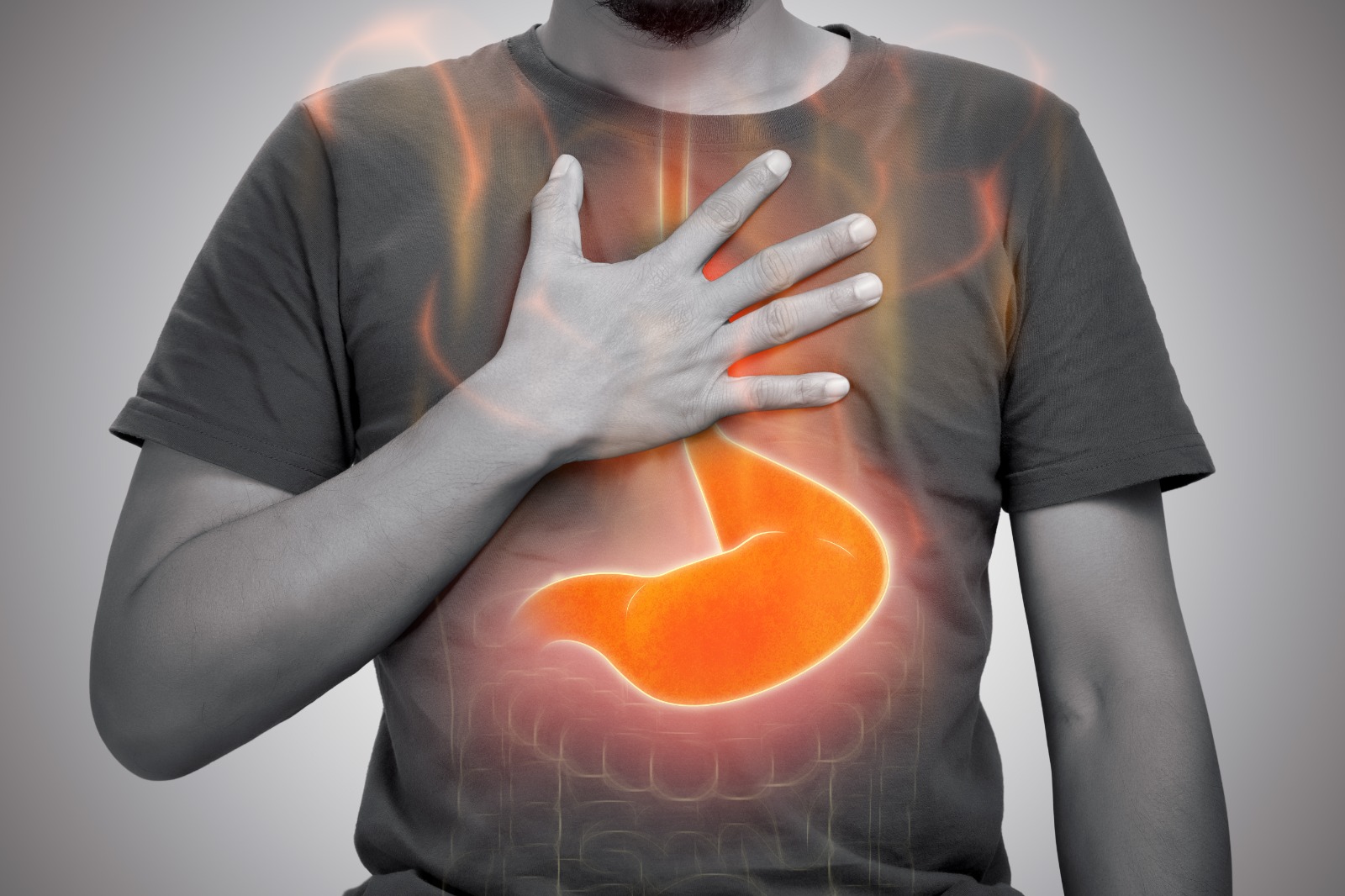
The conversation around health often centers on what we see in the mirror or how our joints feel, but the true engine of your vitality is tucked away, often ignored until it screams for attention. It starts as a subtle bloating after a meal, a persistent sluggishness that coffee can’t fix, or the frustrating unpredictability of your digestive rhythm. These aren’t just “stomach issues.” They are the indicators of a system out of balance—a system that dictates your mood, your state of well being, and your overall energy.
The real question isn’t just about “fixing” a symptom. It is: “How do I reclaim the lightness and energy I once had?”
Hi, I’m Dr. Syed Naveed Azam, Gastroenterologist at RAK Hospital.
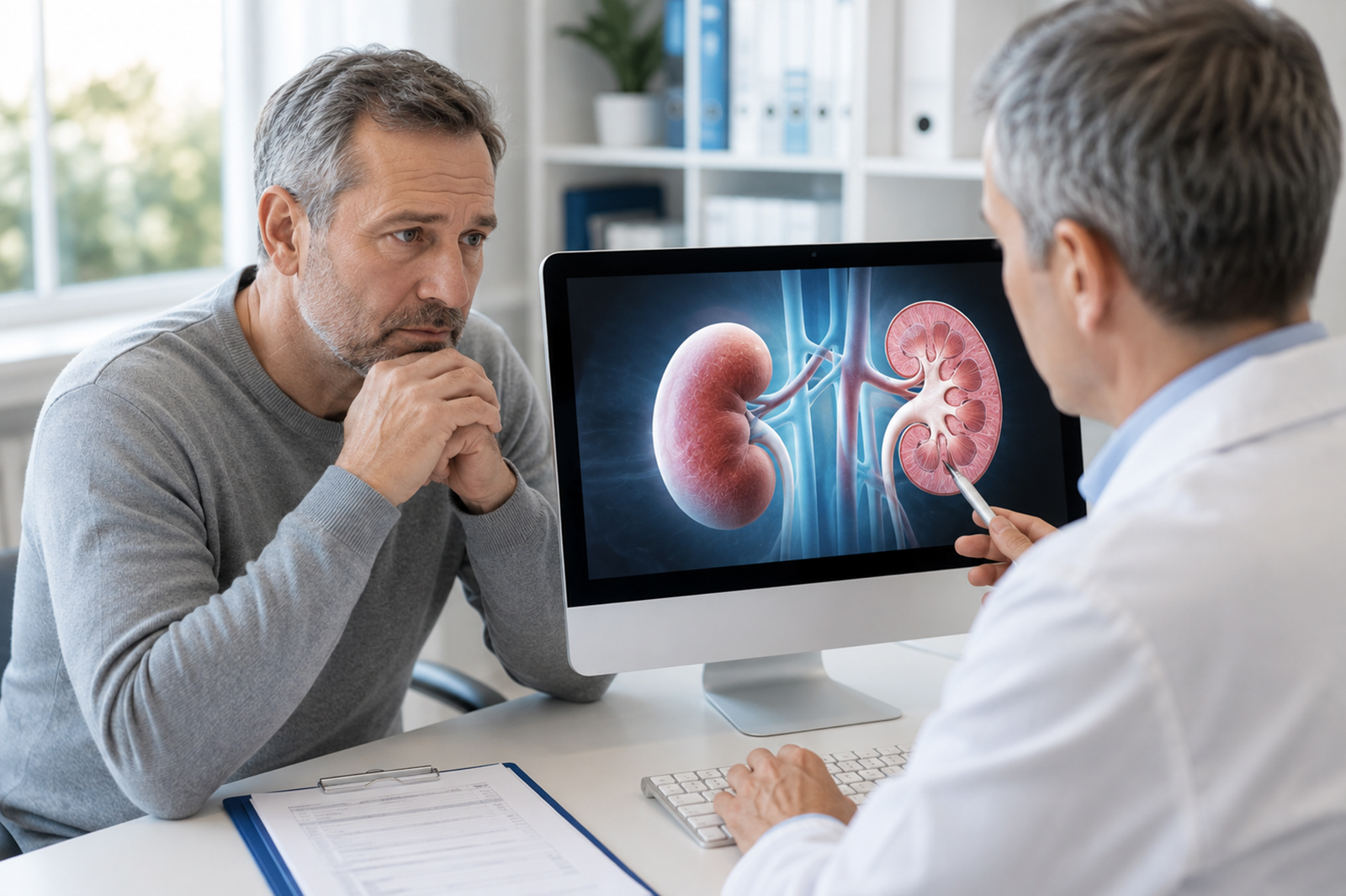
In my clinic, I see patients who have spent years “managing” their discomfort. They avoid certain social gatherings because they aren’t sure how their stomach will react. They feel a heavy fog of fatigue that persists no matter how much they sleep. They have accepted bloating and acid reflux as their “new normal.” These patients haven’t lost their health overnight; they have simply lost the connection to their gut—the “second brain” of the body.
The Gut Revolution is about shifting from passive management to active restoration. At RAK Hospital, we don’t just treat digestive disorders; we rebuild the foundation of your health. Whether you are battling GERD, IBS, or chronic fatigue linked to gut health, this handbook is your roadmap to digestive freedom, designed to guide you through the year and the specific physiological shifts of Ramadan.
The Ramadan Context: Digestive Resilience and Fasting
During the Holy Month, your digestive system undergoes one of the most profound shifts of the year. Fasting provides a remarkable opportunity for “autophagy”—a cellular cleanup where the gut can finally rest and repair itself. However, the way we break that fast and the choices we make at Suhoor determine whether we benefit from this rest or cause further distress.
1. The Iftar “Reset”
When the body has been fasting for many hours, the digestive enzymes are in a state of dormancy. Breaking the fast with heavy, fried, or overly sugary foods is like asking a cold engine to race at top speed. This leads to the “Iftar coma”—that intense lethargy caused by a massive insulin spike and digestive overwhelm.
- The Strategy: Break the fast traditionally with dates and water or a light soup. This “wakes up” the digestive tract gently, preparing it for a balanced meal 20 minutes later.
2. Managing Acid Reflux (GERD)
One of the most common complaints during Ramadan is nighttime acid reflux. This usually happens when a large, heavy meal is consumed at Iftar or Suhoor followed immediately by lying down.
- The Strategy: Gravity is your best friend. Aim to finish your meal at least two hours before sleeping. At RAK Hospital, we work with patients to adjust their medication timing during Ramadan to ensure the stomach lining is protected during the fasting hours.
3. The Microbiome and Immunity
70% of your immune system lives in your gut. During Ramadan, the change in eating frequency can alter the balance of your gut bacteria. To maintain your immunity and energy, it is vital to include prebiotic and probiotic-rich foods during the non-fasting window. Yogurt, kefir, and fiber-rich vegetables act as “fuel” for the good bacteria that keep your energy levels stable.
The “New Normal”: What to Expect After Clinical Treatment
Modern gastroenterology has moved toward precision diagnostics and minimally invasive care. At RAK Hospital, we prioritize getting to the root cause so you can experience a life without dietary restrictions.
The First 48 Hours: The Calm
Whether you have undergone a diagnostic procedure like a colonoscopy or a treatment for H. pylori, the focus is on re-establishing a baseline.
- Immediate Feedback: Most patients feel a sense of relief simply having a clear diagnosis. Understanding the “why” behind your bloating or pain is the first step toward the “how” of fixing it.
- Gentle Reintroduction: We guide you through a transitional diet that minimizes gas and irritation, allowing the gut lining to settle.
The First 8 Weeks: The Gut Rebuild
This is the “Revolution” phase.
- Reduced Inflammation: As we address food sensitivities or bacterial overgrowth, the systemic inflammation in your body drops. This is when the “brain fog” clears and your natural energy returns.
- Stabilized Rhythm: The digestive tract regains its natural motility. You no longer have to worry about the “unpredictability” that used to dictate your schedule.
Your Roadmap to Digestive Freedom: “When Can I…?”
Phase 1: The Diagnostic Phase (Week 1)
- Assessment: We use advanced imaging and breath tests to map your gut health.
- Daily Life: You can continue your routine, but we may ask you to keep a “symptom diary” to correlate your diet with your discomfort.
Phase 2: The Intervention (Weeks 2–4)
- Dietary Adjustment: We move beyond “fad diets” to a medically backed nutritional plan.
- Ramadan Integration: If you are fasting, we provide a specific schedule for any required supplements or medications to ensure they are absorbed effectively between Iftar and Suhoor.
Phase 3: The Maintenance (Month 3+)
- Active Freedom: You can begin reintroducing foods that were previously “triggers.” The goal is a diverse, resilient gut that can handle a wide variety of nutrients.
Habits for a Healthy Gut: Green Light vs. Red Light
Green Light: Habits to Embrace
- Mindful Chewing: Digestion starts in the mouth. Chewing your food thoroughly lightens the load on your stomach and significantly reduces bloating.
- Hydration Balance: Drink water between meals, rather than during them. Too much liquid during a meal can dilute digestive enzymes.
- Fiber Diversity: Aim for “5 Portions a day (Vegetables, Fruit and Salad).” A diverse range of fibers ensures a diverse and healthy microbiome.
Red Light: Habits to Avoid
- Late-Night Heavy Meals: This is the primary cause of poor sleep and morning indigestion.
- Over-reliance on Antacids: “Tums” or similar over-the-counter fixes often mask the symptom without treating the underlying cause, like low stomach acid or a bacterial imbalance.
- High-Fructose Corn Syrup: This processed sugar is a primary fuel for “bad” bacteria and is a major trigger for IBS symptoms.
Advanced Solutions at RAK Hospital
We utilize the latest technology to ensure your digestive health is managed with precision.
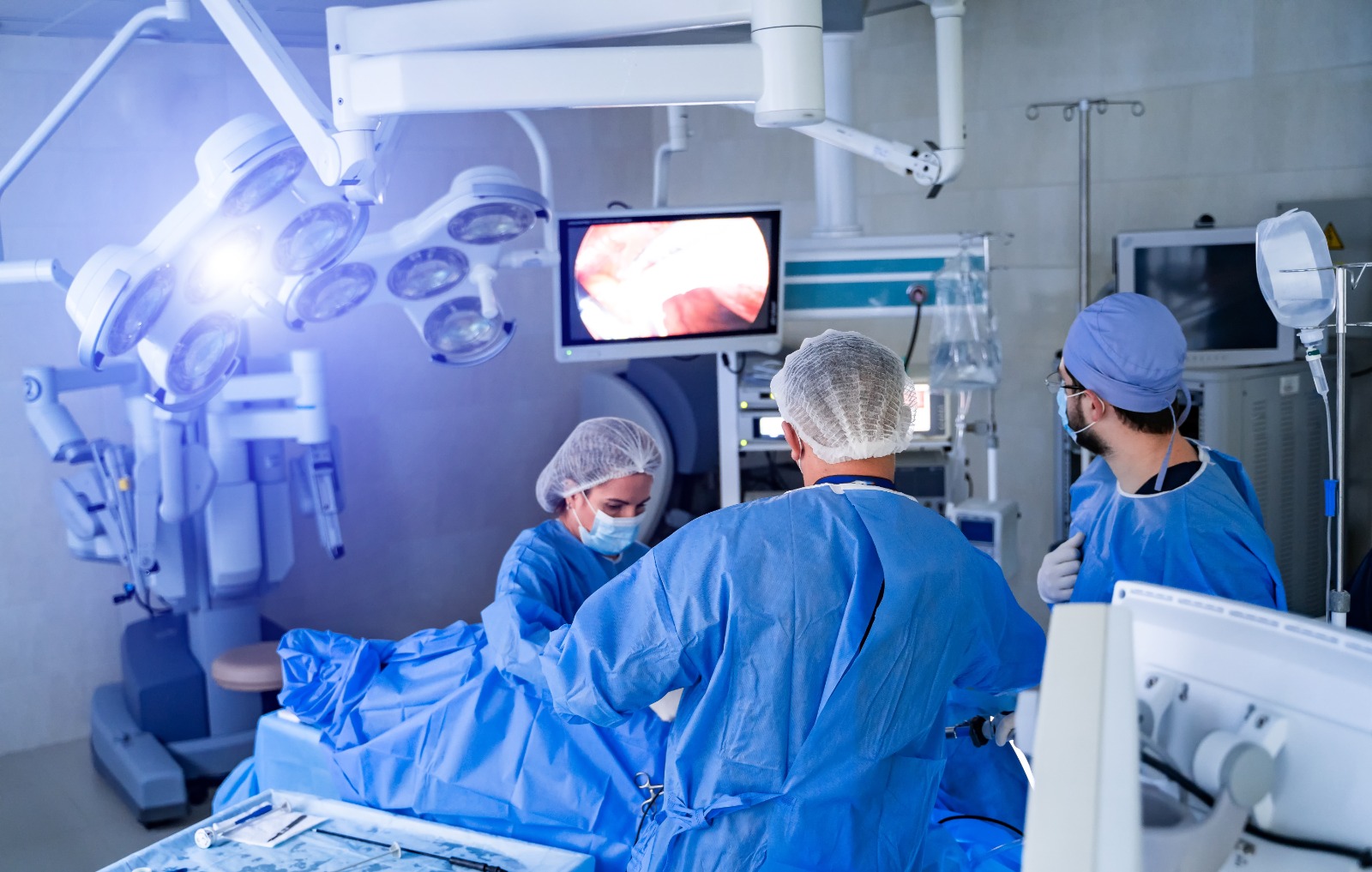
- Advanced Endoscopy: Our high-definition scopes allow us to see the minute details of the gut lining, catching issues like polyps or early-stage inflammation before they become major problems.
- Food Intolerance Mapping: We move past guesswork. By identifying exactly which proteins or sugars your body struggles to process, we can create a diet that eliminates pain while maintaining nutrition.
Why Choose RAK Hospital?
- Integrated Approach: Our gastroenterologists work alongside clinical nutritionists to ensure your “Gut Revolution” is sustainable.
- State-of-the-Art Diagnostics: We invest in the latest technology to ensure procedures are comfortable, fast, and accurate.
- Patient-Centered Care: We listen to your history. We know that digestive health is deeply personal and impacts every facet of your life.
- Comprehensive Emotional Support: Many a times involving a psychologist in the care of chronic illness helps address emotional issues and helps to cope.
Final Thoughts: Reclaiming Your Vitality
A healthy gut is the gateway to a healthy life. When your digestion is functioning optimally, your energy is consistent, your mood is stable, and your immune system is a fortress. This Ramadan, don’t just endure the fast—use it as a springboard to revolutionize your health.
You have lived with the discomfort long enough. Now, let us help you find the freedom that comes with a healthy, balanced gut.
The revolution starts from within. It’s time to begin.
Ready to reclaim your digestive freedom? Book a consultation with the Gastroenterology Department at RAK Hospital today. Let’s build a personalized roadmap for your health during Ramadan and for the years to come.