It often starts with a glance in the rearview mirror or a photo from a family gathering. You notice a dullness that wasn’t there before, a sunspot that has grown darker, or fine lines that seem to have settled in permanently. For many living in the UAE, the harsh environment—blazing sun, constant air conditioning, and high humidity—accelerates these changes.
But for most patients, the concern isn’t just about “looking younger.” It’s about looking like yourself again.
Hi, I’m Dr. Meeth Atawane, Dermatologist at RAK Hospital.
For years, I’ve seen patients walk into my clinic feeling like they have lost their “spark.” They buy expensive creams that promise miracles but deliver nothing. They hide behind filters on social media or heavy makeup in real life. They aren’t vain; they are simply tired of their exterior not matching the vitality they feel inside.
Dermatology today is not just about “fixing” flaws; it is about restoring skin health from the cellular level up. At RAK Hospital, we believe skincare is healthcare. This guide will help you understand what real rejuvenation looks like and how to navigate the journey to your best skin—especially during significant times like Ramadan.
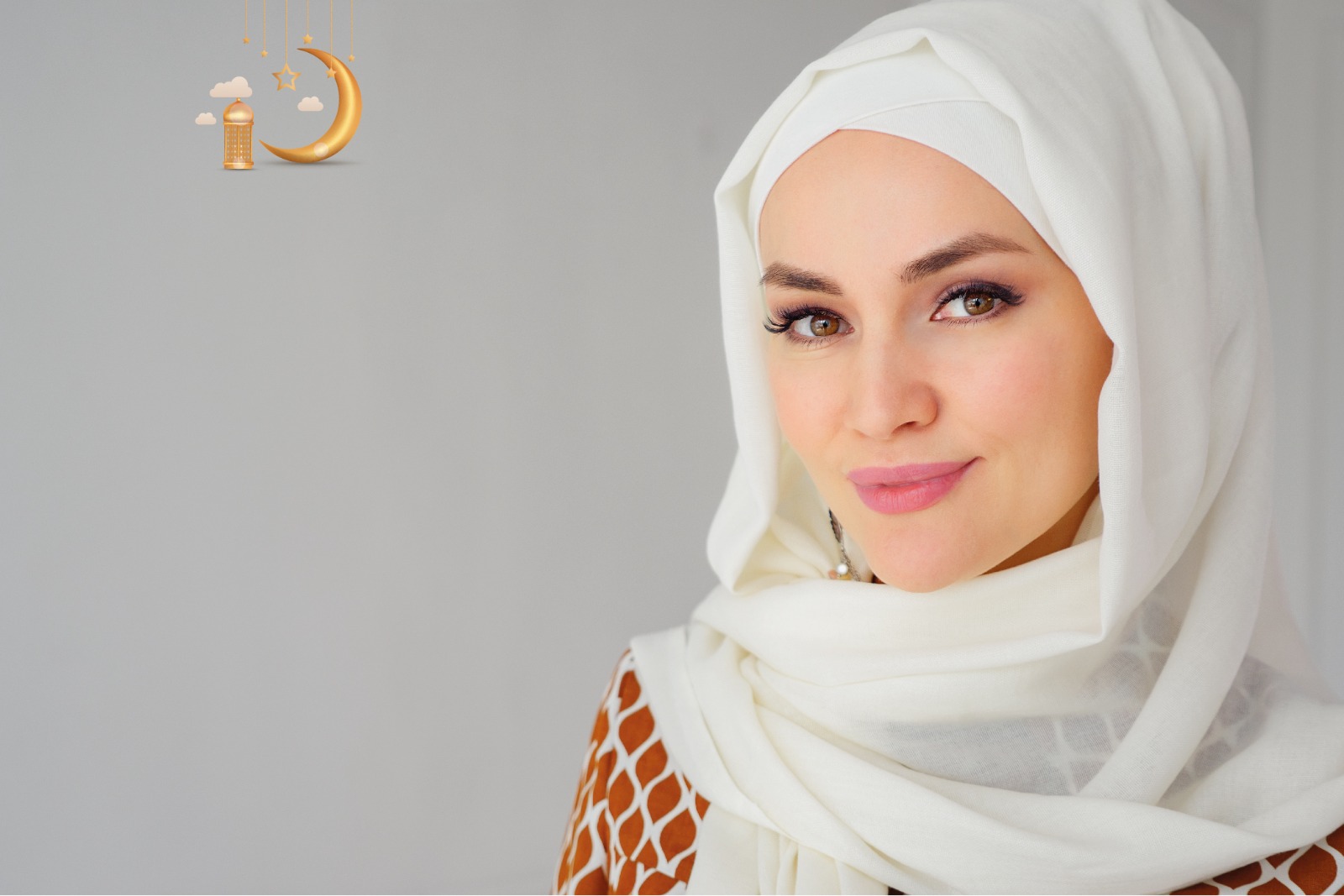
Ramadan Skin Wellness: The Fasting Glow
During the Holy Month, your skin undergoes a unique transition. While fasting offers a wonderful “detox” for the body, the shift in hydration and sleep patterns can sometimes leave the complexion looking tired or dehydrated.
- The Hydration Strategy: Since you aren’t drinking during the day, the hours between Iftar and Suhoor are vital. Aim for water-rich foods like cucumber and watermelon to hydrate from within.
- The “Suhoor” Shield: Avoid overly salty or sugary foods during Suhoor, as these can trigger inflammation and puffiness the next day.
- Topical Support: During fasting hours, your skin’s moisture evaporation increases. Switching to a slightly richer, ceramide-based moisturizer during Ramadan can help lock in the water your body is working hard to conserve.
The “New Normal”: What to Expect After Treatment
Modern dermatology at RAK Hospital focuses on natural restoration. With advanced lasers and injectables, the downtime is minimal, but your skin still needs time to respond.
The First 24 Hours: The “Reset”
- Immediate Reaction: You may experience mild redness—a sign that the body’s healing mechanism has been triggered.
- Sun Avoidance: This is non-negotiable in the UAE. Your fresh skin is highly sensitive, particularly during the peak heat of the afternoon.
The First 4 Weeks: The “Glow” Phase
This is where the magic happens deep within the dermis.
- Collagen Production: Treatments like microneedling or lasers stimulate new collagen. You won’t see the full result on day one; the skin improves progressively over the month.
- Texture Change: Rough patches smooth out, and pigment begins to fade or flake off.
Your Roadmap to Radiance: “When Can I…?”
Phase 1: The Healing (Days 1–3)
- Makeup: Avoid makeup for at least 24 hours to prevent clogging open pores.
- Work: Most patients return to work immediately or the next day, depending on the intensity of the treatment.
Phase 2: The Settling (Weeks 1–2)
- Social Events: By week two, minor swelling or peeling has usually resolved. This is the perfect time for those Eid gatherings when you want to look your most refreshed.
- Active Lifestyle: You can resume outdoor sports, provided you are diligent with high-SPF sunscreen.
Habits for a Desert Climate: Green Light vs. Red Light
Green Light (Safe & Encouraged)
- Broad-Spectrum SPF 50+: Your daily armor. Apply it every morning, even if you are staying indoors.
- Vitamin C Serum: A shield against pollution and sun damage that neutralizes free radicals.
- Double Cleansing: Essential for removing the unique combination of UAE dust, humidity, and long-wear sunscreen.
Red Light (Best Avoided)
- Hot Showers: Scalding water strips natural oils, leading to eczema and dryness—a common issue with the local water supply.
- Sugar Overload: High sugar intake during Iftar can lead to “glycation,” which destroys collagen and causes premature sagging.
- Sleeping with Makeup: This prevents cellular repair overnight and traps pollutants against the skin.
Beyond Creams: Clinical Rejuvenation at RAK Hospital
- Skin Boosters Containing hyaluronic acid and PDRN. Hyaluronic acid hydrates the skin from within giving a plump dewy look whereas PDRN repairs the skin inflammation & builds collagen.
- Mesotherapy with Exosomes A science-driven approach to improve skin texture, elasticity, and overall dermal rejuvenation.
- Advanced Lasers The gold standard for treating sun-induced pigmentation and acne scars, forcing the skin to regenerate fresh tissue.
Why Choose RAK Hospital for Dermatology?
- Medical Safety: We operate in a sterile hospital environment with strict medical oversight.
- Holistic Approach: We check for internal imbalances, like hormones or vitamins, that might be affecting your skin.
- Ethical Aesthetics: We believe in results that look natural and refreshed—never “overdone.”
Final Thoughts
Life after a dermatological transformation is about your exterior finally matching the energy you feel inside. It is the confidence to attend Iftar gatherings with family and friends feeling bright, hydrated, and refreshed.
You have lived with the sun damage or the dullness long enough. Now, let us help you reveal the best version of yourself.
Ready to glow from within? Book a consultation with the Dermatology Department at RAK Hospital today. Let’s get you comfortable in your own skin again.