-

VAT Surgery vs Open Surgery: Which One Should You Choose?
-





When you hear the word surgery, it’s natural to feel worried. Thoughts about recovery, scars, or how life will be afterward can feel overwhelming. For many people who need treatment for chest conditions, the choice often comes down to two main approaches: VAT surgery (Video-Assisted Thoracoscopic Surgery) or Open Surgery.
Hi, I’m Dr. Shalabh Mohan, Thoracic Surgeon at RAK Hospital. Over the years, I’ve performed both open and VAT surgeries for people with different chest conditions. Some patients come in worried about big scars and long recovery times, while others are more concerned about safety and lasting results. The truth is, every case is unique. What matters most is choosing the right approach – whether it’s open surgery or VAT – to ensure the best recovery and outcome for each individual.
The purpose of this article is to give you a clear, step-by-step understanding of what VAT surgery is, how it differs from open surgery, what the procedure involves, what recovery looks like, and how RAK Hospital helps patients choose the safest and most effective option for their health.
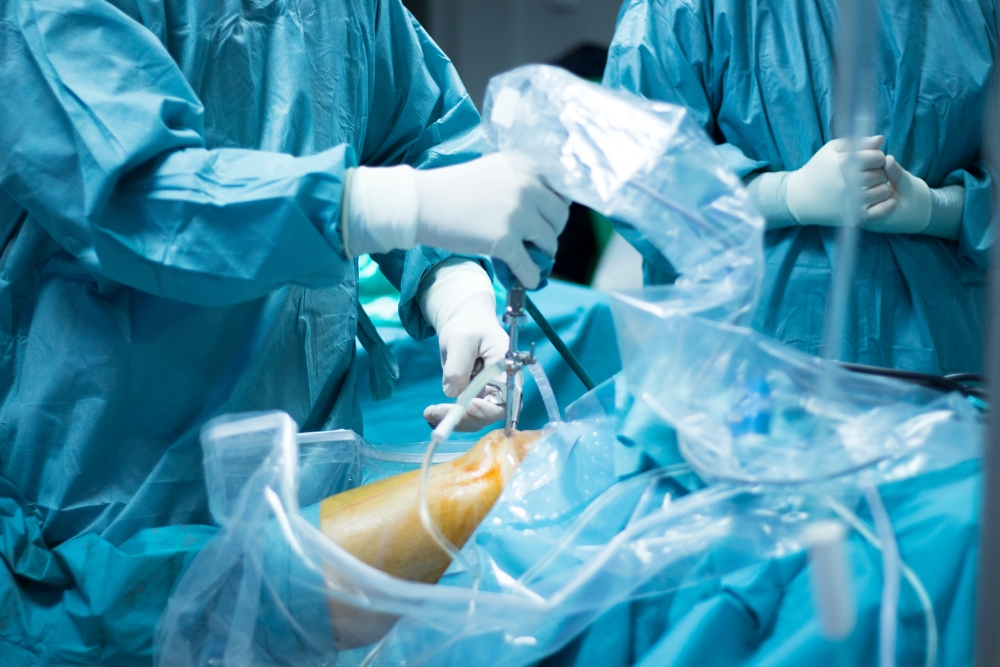
VAT, or Video-Assisted Thoracoscopic Surgery, is a more modern method. Instead of one big opening, it involves making a few small incisions. A thin camera is inserted through one of them, and it sends a live image to a screen. The surgeon then operates with special instruments guided by the camera.
This approach is considered “minimally invasive,” which means less physical trauma to the body. Because the cuts are smaller, patients usually recover faster, feel less discomfort, and go home sooner. There is also less visible scarring.
But VAT surgery may not always be suitable. It requires highly skilled surgeons and advanced equipment. In some cases, such as when the problem is too large or complicated, open surgery may still be the better choice.
Open surgery is the traditional method most people are familiar with. In this approach, the chest is opened through a single large cut so the surgeon can directly see and access the area that needs treatment.
It has been practiced for decades, and many successful surgeries around the world are performed this way. The main benefit of open surgery is that it gives doctors a full and clear view of the chest. This is especially important in complex cases where the problem involves large areas or when very precise control is needed.
However, because the cut is large, recovery usually takes longer. There may be more pain afterward, and patients often spend extra days in the hospital. Scars are also more visible compared to newer techniques.
Let’s look at the key differences between VAT and open surgery in simple terms:
Both methods are safe and effective. The choice depends on your condition, overall health, and what your doctor believes will provide the best results.
Many people fear lung pain after chest procedures. While some soreness is normal, modern pain control methods make recovery more comfortable. VAT tends to cause less pain because the muscles and ribs are not opened as widely.
Any medical procedure carries some risks. With open surgery, risks can include bleeding, infection, or longer healing. With VAT, the risks are usually fewer, but if something unexpected happens during the operation, doctors may decide to switch to open surgery for safety.
Both methods are effective. VAT often means faster recovery and fewer scars, while open surgery is reliable for more complex cases. What matters most is choosing the approach that matches your exact needs.
The decision isn’t about which is “better” overall but which is better for you. Factors that influence the choice include:
A conversation with your surgeon is essential. They will explain the pros and cons and recommend the safest approach.
At RAK Hospital, we perform both VAT and open methods with great care. Our team uses advanced technology and a patient-centered approach to make sure every individual feels supported from consultation to recovery.
What makes our care different is not just the medical expertise but the way we look after patients as people. We know surgery is not only about physical healing but also about peace of mind, confidence, and dignity.
Recovery does not stop when you leave the hospital. Here are a few simple tips that make healing smoother:
VAT surgery and open surgery are both safe and effective methods of treating chest conditions. VAT offers faster healing and smaller scars, while open surgery remains necessary for certain complex situations.
The right choice depends on your individual case, and the best decision comes from an open discussion with your healthcare team.
At RAK Hospital, we are here to guide you every step of the way – with skill, compassion, and dedication to your health.