-

6 Winter Skin Problems in UAE – Dermatologist-Approved Guide
-





Even though winters in the UAE are mild, the dry air, cool breeze, and indoor heating can be harsh on your skin. Many people notice dry patches, cracked lips, or even face skin peeling in winter, wondering why their regular skincare stops working. The truth is, your skin needs extra care during this season.
Hi, I’m Dr. Najam U Saqib, Dermatologist at RAK Hospital. Over the years, I’ve seen how even mild winter weather can have a surprising impact on our skin. Many patients come to us concerned about dry patches, face skin peeling in winter, or other seasonal skin issues, while others simply want to know the best ways to keep their skin hydrated and healthy throughout the colder months. Understanding these common winter skin problems and learning how to care for your skin can make a huge difference in maintaining a glowing, comfortable complexion.
Here’s a guide to the most common winter skin problems in the UAE and how to keep your skin hydrated, glowing, and healthy throughout the cooler months.
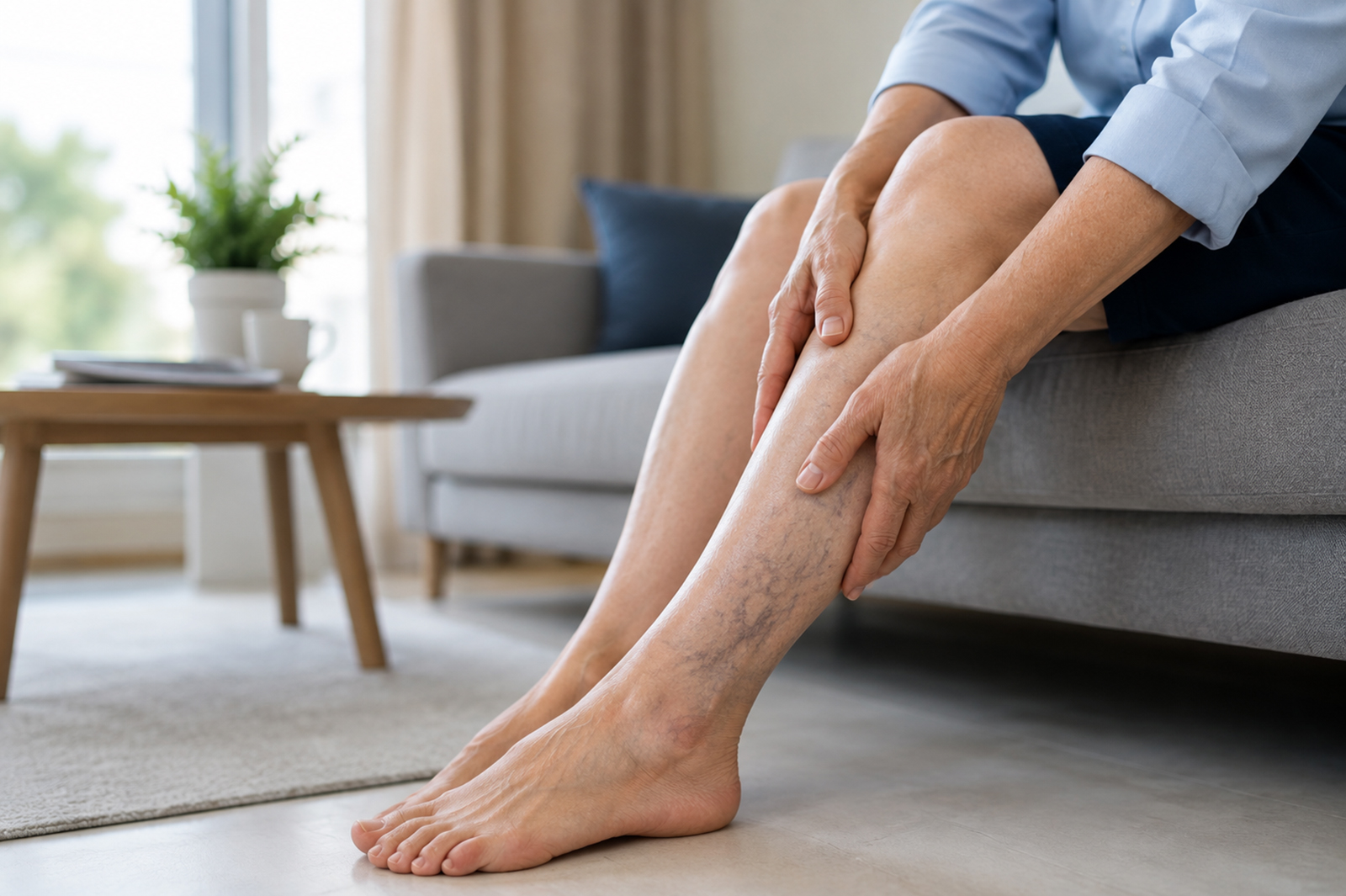
One of the most common winter skin problems is dryness. The humidity drops, and your skin loses moisture faster than usual. Long hot showers, frequent handwashing, and sitting under air conditioning or heaters only make it worse.
How to fix it:
If you notice tightness or dullness, these are early signs of dehydrated skin in winter – don’t ignore them.
Your lips have thinner skin and no oil glands, making them prone to cracking in dry weather. If you’re wondering how to treat cracked skin in winter, especially on lips – hydration is key.
How to fix it:
Cooler weather can make your skin itchy and sensitive. Rough fabrics, harsh cleansers, or indoor heating may trigger irritation, especially for people with sensitive or dry skin.
How to fix it:
If irritation persists, consult a dermatologist – sometimes what looks like dryness could be mild eczema.
Yes, acne can get worse in winter too! Many people switch to heavier creams that clog pores or skip moisturizer altogether – both can trigger breakouts.
How to fix it:
The cold, dry weather can worsen inflammatory conditions like eczema and psoriasis. You might notice patches of redness, itching, or skin peeling in winter.
How to fix it:
Dead skin cells accumulate faster in winter, making your skin look tired and uneven. That’s why your face can lose its glow and freshness during the cooler months.
How to fix it:
These are small yet powerful tips for glowing winter skin that can make a real difference.
Your skin reflects how well you care for it – especially during seasonal changes. The key to healthy, radiant winter skin in the UAE is adjusting your routine, hydrating consistently, and protecting your skin from dryness and UV exposure.
Now that you know how to protect skin in winter, pay attention to your body’s signals. If your skin feels dry, tight, or itchy, act early – because prevention is always easier than repair.